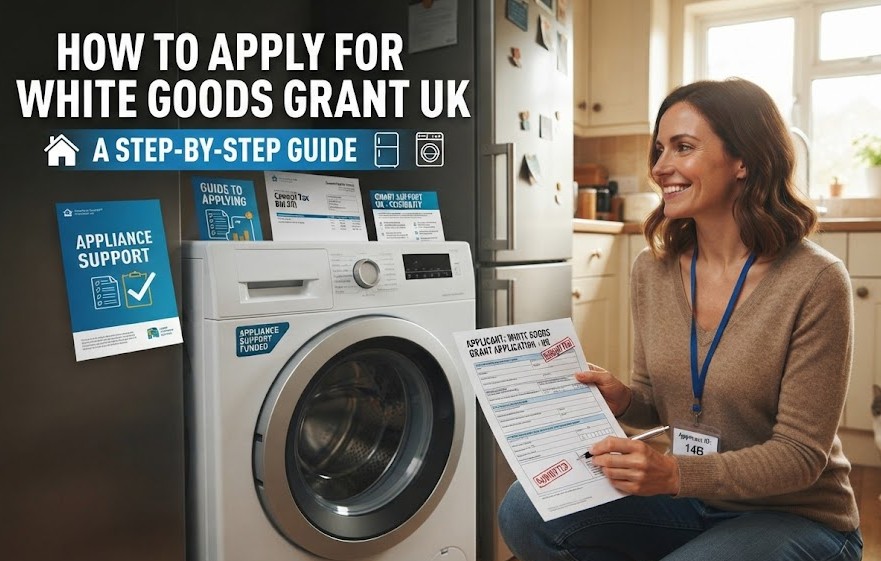
How to Apply for White Goods Grants: Complete SME and Low Income Household Funding Guide
A white goods grant provides non-repayable financial help or a replacement appliance for essential household equipment. It is aimed at people facing serious financial hardship, relying on benefits, or earning a low self-employed income who cannot afford essential household repairs.
Key Takeaways
- White goods grants provide non-repayable financial assistance or direct appliance replacement for low-income and self-employed households experiencing financial hardship.
- Local authority welfare assistance schemes use discretionary budgets, so applicants need to apply directly through their local council.
- Charitable grant finders such as Turn2Us help applicants find independent benevolent funds and occupational charities.
- DWP Budgeting Advances offer rapid statutory funding for Universal Credit claimants, though they require full repayment via automated benefit deductions.
What Is a White Goods Grant?
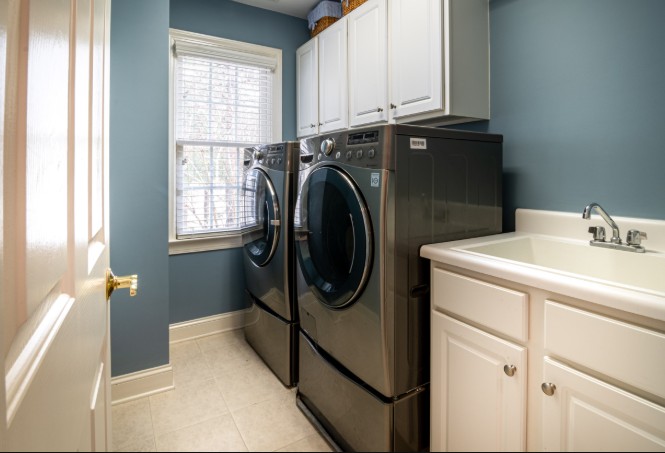
A white goods grant covers core domestic hardware necessary for basic health and sanitation, including washing machines, electric cookers, refrigerators, and freezers.
Unlike commercial finance or high-interest credit, these grants do not need to be repaid and do not charge interest. Funding is provided through local council schemes, charitable funds, or utility trust funds to support vulnerable and low-income households.
When dealing with emergency hardship, local welfare teams may prioritise applications where a broken appliance affects basic household needs or food storage.
In practice, sole traders with irregular business earnings can find that a broken household appliance adds to existing financial pressure. These grants can help when there is little or no money left to cover the cost.
Who Qualifies for the White Goods Grant?
Eligibility for statutory and charitable white goods support usually depends on having limited financial resources, receiving means-tested benefits, or living in vulnerable circumstances. Standard qualifying parameters include:
- Receipt of qualifying means-tested benefits such as Universal Credit, Pension Credit, Income Support, or Income-related Employment and Support Allowance.
- Having a low household income or limited savings to cover an unexpected appliance failure.
- Experiencing a sudden change in domestic circumstances, such as leaving institutional care, fleeing domestic abuse, or suffering severe property damage from a fire or flood.
- Demonstrating household vulnerability due to disability, chronic illness, or the presence of young children.
When reviewing applications, local authorities assess how much income is left after essential housing costs have been paid. Applicants may also need to show that they have already considered other reasonable ways of covering the cost before discretionary funding is approved.
How Do Sole Traders and Self-Employed Workers Qualify for White Goods Grants?
Self-employed sole traders and small business owners often have changing cash flow and monthly earnings, which can make standard welfare assessments more difficult.
Local authorities and charitable trusts assess self-employed applicants by looking at both the business situation and the household’s financial needs:
- Income Verification: Councils evaluate recent business bank statements, profit-and-loss summaries, or Universal Credit statements showing net earnings below statutory thresholds rather than gross business turnover.
- Minimum Income Floor Exceptions: Self-employed people affected by Universal Credit’s Minimum Income Floor rules may still qualify for discretionary welfare support if an unexpected financial problem or appliance failure affects basic household needs.
- Separation of Assets: Grant providers check that the funding is for household appliances rather than equipment used directly for business purposes.
When a self-employed retailer or freelance consultant has a sudden appliance breakdown, they need to clearly show the difference between business costs and essential household expenses.
Alongside dealing with household equipment problems, entrepreneurs can also explore different ways to support local businesses and strengthen their local community and economy.
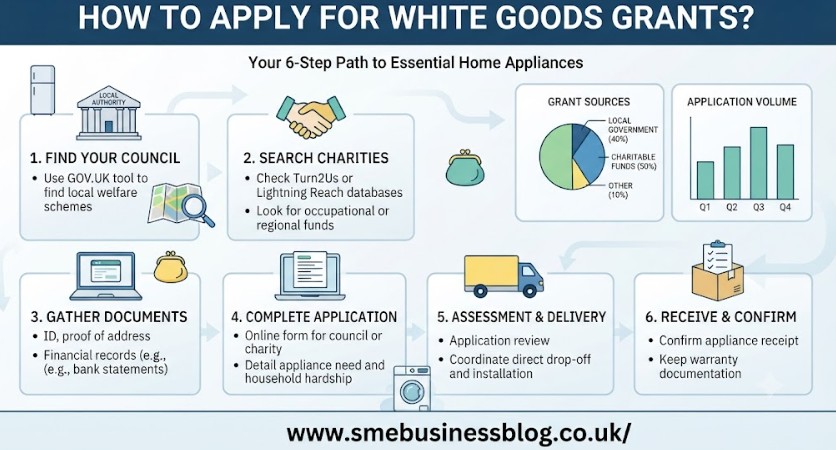
How to Apply for White Goods Grants?
To apply for a white goods grant for an appliance such as a fridge, washing machine or cooker, the application process depends on whether you are applying through a local council scheme or a charity.
- Locate the relevant local authority portal using the GOV.UK council finder tool to access local welfare assistance schemes.
- Search independent grant databases such as Turn2Us or Lightning Reach to find occupational or regional benevolent funds.
- Prepare supporting documentation, including identification, proof of address, and recent financial records.
- Complete the relevant online application form for the council or charity, explaining which appliance you need and the household hardship you are facing.
- Wait for the application to be assessed and, if approved, arrange delivery and installation through the relevant provider.
- Confirm that you have received the appliance and keep any warranty documents provided by the installer.
What Are the Required Documents to Apply for the White Goods Grant?
Applications require supporting documents to show your financial circumstances. Missing or incorrect documents are a common cause of delays.
- Proof of identity, such as a valid passport or driving licence.
- Recent personal and business bank statements covering the last 30 to 90 days.
- Official documents showing receipt of means-tested benefits or low self-employed earnings.
- Written proof of emergency need, such as a statement describing appliance failure or hazardous living conditions.
During the review, caseworkers may compare tax records with bank account payments to check eligibility.
For example, a freelance graphic designer applying for a cooker grant must submit both personal bank records and proof of active Universal Credit claims to substantiate low disposable income.
Can Energy Supplier Hardship Funds Replace Inefficient Home-Office Appliances?
Major UK energy suppliers support independent charitable hardship trusts, such as the British Gas Energy Trust, which can provide grants for energy-efficient white goods. These schemes can help replace old, energy-hungry appliances that increase household energy bills.
Home-based business owners and low-income families dealing with energy arrears may be able to access these funds through approved community referral partners to get modern fridges or washing machines that use less energy.
Energy trusts also pay close attention to appliance energy efficiency ratings. Replacing an old, failing fridge with an A-rated model can reduce household energy costs and provide immediate help for families on tight monthly budgets.
How Long Does It Take to Get a White Goods Grant?
Processing times vary depending on who handles the application and how much funding is currently available.
| Support / Grant Channel | Primary Administrator / Funding Source | Processing Window | Repayment Status | Primary Documentation Required | Delivery Mechanism |
| Local Welfare Assistance | Local Authorities (Discretionary Budget) | 5 to 15 working days | Non-repayable grant or direct voucher | Proof of address, ID, recent bank statements | Direct delivery and installation by council suppliers |
| Charitable Trusts | Benevolent Funds and Turn2Us (Independent Endowments) | 2 to 6 weeks | Non-repayable grant | Detailed financial breakdown, occupational history | Electronic BACS transfer or direct voucher issuance |
| Energy Trust Funds | Utility Hardship Schemes | 2 to 4 weeks | Non-repayable grant | Energy account registration and low-income verification | Direct delivery via energy partner contractors |
| DWP Budgeting Advance | Department for Work and Pensions | Varies / Rapid | Repayable statutory advance | Universal Credit active claim verification | Automated benefit disbursement/advance credit |
Local authority schemes often have fixed annual budgets that can run out before the end of the financial year, so applying early is important. Charitable trusts review applications throughout the year, while DWP advances can provide a quicker option for eligible benefit claimants.

How Do I Check if I’m Eligible for a Grant?
Checking eligibility means comparing your circumstances with the regional and national funds currently available. Applicants can use online benefit calculators and grant search tools such as Turn2Us to search more than 1,500 charitable funds.
It is also worth checking your local council’s website to see whether you meet the area’s eligibility rules for discretionary welfare support. If you do not meet the grant criteria, alternatives such as the Reuse Network may offer affordable refurbished appliances at lower prices.
Applicants should also check whether their local council requires a referral from an approved advice organisation, such as Citizens Advice, before a welfare grant application can be processed.
Conclusion
Getting financial support for essential household appliances means finding the right local council fund or charitable trust based on your circumstances and occupational history.
Checking the eligibility rules carefully and preparing accurate financial documents can help your application move smoothly through the review process.
Disclaimer: This article is for informational purposes only and does not constitute formal legal or financial advice. Eligibility criteria and fund availability vary by region and provider.
FAQs
Who is eligible for a white goods grant?
Eligibility may depend on receiving means-tested benefits, having a low disposable income, or facing serious financial hardship, with exact thresholds set by each local authority or charity.
Can self-employed individuals apply for a council white goods grant?
Yes. Self-employed sole traders with changing earnings can apply for local welfare assistance by providing profit-and-loss records or bank statements showing their financial need.
Does Universal Credit cover free washing machines?
No, Universal Credit does not provide free non-repayable grants for white goods directly, but eligible claimants can apply for a repayable DWP Budgeting Advance.
How long does a charitable grant application take to process?
Charitable trust applications made through platforms such as Turn2Us typically take between two and six weeks, depending on the fund’s review process.
What documents are needed to apply for emergency appliance support?
Applicants generally need recent bank statements, proof of identity, evidence of household income or benefit status, and a description of the emergency need or appliance failure.
Are energy supplier grants available to all customers?
Energy supplier hardship trusts generally require applicants to show energy debt, fuel poverty, or a low household income, along with an active energy account.
Can grants cover the cost of appliance installation?
Yes. Many local welfare assistance schemes and charitable trusts include delivery, installation, and removal of old appliances as part of their supply arrangements.
What happens if a local council welfare fund is closed?
If a local council hardship fund has run out, applicants can look instead at independent benevolent funds or local charitable reuse organisations.