How to Choose SEO Services for Small Businesses: Pitch, Time Results and Decide
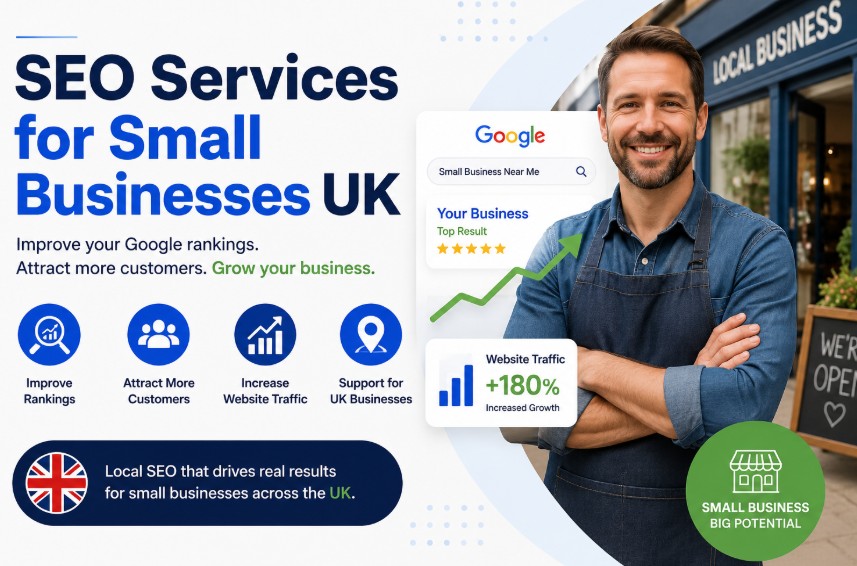
Professional SEO services for small businesses encompass specialised digital optimisation strategies designed to improve organic search visibility, drive targeted local customer traffic, and generate measurable commercial enquiries through organic Google rankings without relying on paid advertising budgets.
Key Takeaway
- Ensure your chosen provider focuses on revenue-generating local map pack rankings rather than vanity keyword traffic.
- Always review verifiable client case studies that demonstrate sustainable organic growth over a minimum twelve-month period.
- Avoid any agency demanding rigid long-term contracts without performance clauses or clear month-to-month deliverables.
- Verify that account ownership and Google Business Profile access remain fully in your business control at all times.
How to Choose the Best SEO Services for Small Businesses?
Choosing an SEO agency can feel like navigating a minefield of tech jargon and empty promises.
Every salesperson claims they can get you to the top of Google, but for a small business owner watching every hard-earned dollar or pound, you need more than glossy presentations; you need a reliable partner who actually drives real phone calls and local customers through your door.
Building these genuine local connections is just as crucial as digital reach; exploring the best ways to support local businesses offers practical avenues for embedding your brand deeper into the surrounding commercial community while you scale your search presence.
To cut through the noise and find a service that genuinely fits your business, look past the sales pitch and focus on a few practical vetting steps:
1. Figure out your own capacity first
Before talking to any agencies, ask yourself honestly: if someone brings you twenty new phone calls a week starting next month, can your team actually handle them? Know what a new customer is worth to your bottom line so you don’t end up paying for traffic your business isn’t ready to convert.
2. Meet the person who will actually do the work
Agencies are notorious for sending their most charismatic salesperson to close the deal, only to hand your website off to a junior staffer juggling dozens of other accounts.
Before signing anything, ask to speak directly with the strategist who will actually be touching your site and writing your content. If they can’t explain their plan in plain, everyday language without hiding behind buzzwords, they aren’t the right fit.
3. Demand real, checkable references
Anyone can slap an anonymous success story on their website. When an agency claims they’ve doubled traffic for local businesses, ask for two current clients in a similar industry or region that you can actually look up and call.
A reputable provider will proudly connect you with business owners who can vouch for their integrity and results.
4. Keep the keys to your own digital house
Never let an agency set up your Google Business Profile, domain name, or website hosting under their own corporate master login.
If things don’t work out, you should never have to ransom your own digital storefront just to part ways. Make sure your business owns and controls every single asset from day one.
5. Run away from rigid, long-term lock-ins
If an agency tries to force you into a strict twelve-month contract before they’ve even proven they can move the needle, they are protecting themselves, not your business.
Look for providers who operate on flexible monthly retainers. A good agency wants to keep you around because you are seeing actual growth, not because a legal clause is trapping you.
6. Measure them by phone calls, not impressions
An agency can easily send you a monthly report full of impressive-sounding graphs about keyword impressions and algorithmic reach. But if your phone isn’t ringing and customers aren’t buying, those numbers are just vanity metrics.
Your ideal partner will tie their success directly to what matters to your bottom line: real enquiries, bookings, and revenue.

How to Pitch Your Needs to SEO Providers?
Taking control of the initial vendor briefing stops agencies from selling generic, pre-packaged retainers that do not fit your operational model. Instead of asking for a standard quote, brief the provider using exact business parameters.
- State your current monthly customer acquisition cost and your target customer lifetime value clearly.
- Define your precise geographic service radius down to specific postal codes or towns.
- Outline your internal capacity to handle increased lead volume so the agency does not generate enquiries your team cannot service.
- Specify whether your primary revenue driver is phone bookings, e-commerce checkouts, or in-person consultations.
Why Traditional Agency Pitching Leaves Business Owners in the Dark?
Traditional digital marketing sales pitches often rely on complex technical jargon designed to obscure a lack of tangible business results.
When an agency pitches SEO services for small businesses, the conversation frequently pivots toward impression volumes, algorithm updates, and massive keyword lists.
For an owner managing daily operations, these metrics fail to answer a fundamental question: how many phone calls or store visits will this generate this month?
In practice, a communication disconnect occurs because many providers treat digital marketing as a technical exercise rather than an operational growth investment.
A business owner needs predictable lead flow, not a lecture on metadata. When evaluating providers, cutting through the jargon protects capital and ensures the agency aligns its optimisation strategy with commercial revenue goals rather than abstract search visibility.
What are the Questions can be asked of SEO Service Providers Before choosing?
Before signing with any SEO agency, ask screening questions to separate real strategists from sales-driven resellers. Interrogating prospective agencies during discovery calls weeds out low-tier operators who rely on automated software rather than dedicated human strategy.
- Who is actually touching my website on a day-to-day basis? Don’t let a smooth salesperson convince you they are doing the work. Find out the exact experience level of the person writing the code, updating metadata, and drafting your content.
- Can you show me a case study from a business of our size and budget? Anyone can show results for a massive national brand. Ask for a real, checkable example of how they helped a small, local business with similar resource constraints grow their actual phone calls or walk-in traffic.
- What does your first 90 days look like on paper? A legitimate agency won’t just say we’ll start ranking you. They should give you a clear, sequenced breakdown of their technical audit phase, fixes, and local map optimization steps.
- How do you handle changes in search and AI search summaries? Make sure they aren’t stuck using outdated keyword stuffing. Ask how their strategy adapts when search engines change how they summarize local businesses or display answers.
- What is your exact process for building links and citations? If they talk vaguely about secret network building or buying bulk packages, walk away. They should be able to explain how they earn clean, local citations that match real registry data.
- What happens on day one if we decide to part ways? Clarify the exit terms beforehand. Ensure they explicitly agree that all website admin accounts, created content, and Google Business Profile access stay entirely in your hands if the retainer ends.
How Long Does It Take to See Results?
Unlike paid ads that turn on the second you pay for a click, organic SEO builds like compound interest. If an agency promises you page-one rankings in two weeks, run away; they are using high-risk shortcuts that can get your site penalized by Google.
A realistic timeline for a small business follows a steady, predictable progression:
- Months 1 to 2 (The Engine Build): Your agency will run technical audits, fix broken links, speed up your site, and optimize your Google Business Profile. You likely won’t see a massive jump in rankings yet, but they are laying down the foundation.
- Months 3 to 4 (The First Green Shoots): You’ll start noticing early movement on smaller, local keywords. Search impressions will tick upward, and your local map pack positioning will begin creeping into view.
- Months 5 to 6 and beyond (The Payoff): This is where momentum truly kicks in. With consistent content and local citations stacking up, traffic starts converting into actual phone calls, foot traffic, and customer enquiries.
Give a legitimate campaign at least six months to prove its worth, but expect your provider to show you steady progress on leading indicators, like technical health and impression growth, long before that final revenue payoff hits your bottom line.
Red Flag checklist of Low-Quality SEO Agencies
Protecting your business capital requires vigilance against common industry scams, opaque practices, and outdated optimisation techniques.
- Guaranteed Rankings: Claiming absolute certainty regarding a number-one spot on Google violates search engine guidelines, as algorithms are controlled entirely by external search providers.
- Secret Link Networks: Building low-quality, automated backlinks across spam directories that violate Google webmaster guidelines and risk long-term site indexing bans.
- Opaque Account Access: Registering your Google Business Profile or domain under the agency’s master account, effectively holding your digital assets hostage if you attempt to leave.
- Vanity Metric Reporting: Focusing monthly reports entirely on impression spikes and obscure keyword movements while ignoring actual phone calls, form fills, and revenue.
- Refusal of Local Focus: Pitching generic national strategies to a business that relies entirely on local foot traffic and regional service calls.
Where Should a Small Business Actually Spend?
Determining whether your business requires local or national optimisation prevents misallocated marketing budgets.
Local SEO targets geographically constrained customers searching within a specific town, city, or regional radius, whereas national SEO targets broader, non-location-specific terms across the entire country.
When your growth objectives require moving beyond standard search visibility into broader promotional campaigns, partnering with a dedicated digital marketing agency for SME ensures your promotional spend aligns with measurable commercial revenue.
| Strategy Focus | Primary Objective | Typical Timeline | Main Conversion Metric | Best Suited For |
| Local SEO | Google Map Pack and Regional Visibility | 3 to 6 Months | Phone Calls, Form Enquiries, Foot Traffic | Trades, Retail, Professional Services, Clinics |
| National SEO | Broad Organic Ranking and Ecommerce Reach | 6 to 12 Months | Online Transactions, Subscriptions | E-commerce Stores, National Software Providers |
When reviewing proposals, ensure the provider matches your geographic footprint. A plumber operating in a single county wastes capital on national keyword targeting, just as an online software provider gains little from local map pack citations.
What Services Are Included in an SEO Services for Small Businesses Package?
Understanding what operational tasks an agency must execute month-to-month separates professional practitioners from opportunistic resellers. A legitimate technical engagement follows a structured onboarding and execution roadmap.
- Conducting a comprehensive technical site audit to identify crawl errors, broken links, and mobile responsiveness issues.
- Optimising the Google Business Profile with accurate categories, service areas, regular posts, and review acquisition workflows.
- Performing strategic keyword research tailored specifically to low-budget, high-intent regional search queries.
- Restructuring on-page content, title tags, and meta descriptions to match modern search intent and AI Overview criteria.
- Building high-authority local citations and directory listings consistent with Companies House and industry registries.
- Producing authoritative educational content that answers customer questions and captures long-tail search traffic.
- Providing transparent monthly performance reports tracking actual inbound enquiries rather than vanity metrics.

How a Business Owner Can Make the Final Decision?
Making the final vendor choice becomes straightforward when you score prospective agencies against an objective, multi-variable framework rather than relying on gut feeling or persuasive sales pitches.
| Evaluation Pillar | What to Look For | Red Flag to Avoid |
| Fit | Understands SME operational constraints and local market nuances. | Tries to sell enterprise software packages to a local sole trader. |
| Proof | Verifiable case studies with demonstrable revenue impact in your sector. | Vague claims of past success without verifiable client references. |
| Process | Transparent, step-down operational roadmap from audit to execution. | Vague promises of secret algorithms and proprietary magic software. |
| Reporting | Clear attribution linking organic traffic to phone calls and form enquiries. | Reporting exclusively on non-commercial impressions and vanity traffic. |
| Accountability | Flexible contract terms with clear performance deliverables and no lock-ins. | Demanding a strict 12-month lock-in with zero exit clauses. |
| Cost | Predictable monthly retainer aligned with realistic SME marketing budgets. | Suspiciously cheap retainers or hidden upsells for basic technical fixes. |
Use a simple 1-to-5 scoring rubric across these six pillars to rank your top three agency proposals objectively before signing any vendor agreement.
Conclusion
Navigating the landscape of digital marketing providers requires a clear head, strict verification standards, and an uncompromising focus on commercial revenue over technical vanity metrics.
By establishing rigorous evaluation criteria, protecting your digital asset ownership, and demanding transparent reporting, you can secure professional optimisation services that compound your growth and deliver sustainable inbound customer enquiries for years to come.
Disclaimer: This article is general guidance only; verify any provider’s claims and seek independent advice before committing.
FAQS
Can a small business owner handle SEO without hiring an agency?
Yes, owners with basic technical aptitude can manage foundational tasks like optimising their Google Business Profile and gathering local reviews, though technical migrations and content scaling often require specialist support.
How does Google Business Profile optimisation affect local search visibility?
Optimising your profile with accurate business categories, regular updates, and consistent NAP data directly influences your placement within the Google Local Map Pack for nearby customer searches.
What happens if an SEO agency uses black-hat tactics on my website?
Using prohibited optimisation techniques can result in manual penalties from Google, causing your website to drop entirely out of search results and requiring costly remediation work.
Should small businesses focus on social media or search engine optimisation?
Search engine optimisation captures high-intent customers actively searching to buy, whereas social media builds brand awareness; combining both provides a balanced customer acquisition funnel.
How do search engines verify the authority of a small business website?
Search engines measure authority through a combination of relevant local citations, high-quality backlinks from trusted industry domains, user engagement signals, and consistent NAP information.