How Much Liquid Can You Take on a Plane in Checked Baggage? UK Guide, 2026 Rules, Tips
For small business owners and corporate travelers managing tight travel schedules, knowing how to pack efficiently is vital. When searching how much liquid you can take on a plane in checked baggage, the straightforward answer is that hold luggage is exempt from the airport-security 100ml rule, allowing you to pack full-size professional products and grooming essentials.
Key Takeaway
- Checked baggage bypasses the cabin security 100ml rule, allowing full-size toiletries and professional samples.
- Aerosols and personal toiletries are capped at 0.5L per item and 2L total per person in the hold.
- Business travelers must pack liquids securely to avoid costly wardrobe and equipment damage during transit.
- Dangerous goods, flammables, and certain industrial chemicals remain strictly prohibited in all hold baggage.
How much liquid can you take on a plane in checked baggage?
What does apply are dangerous goods limits for certain categories (especially aerosols/toiletries and alcohol), plus whatever your airline’s baggage policy says about weight and packaging.
For business owners transporting company promotional items, client gifts, or trade samples, understanding these limits prevents unexpected confiscations at check-in. Meeting airline compliance standards protects your enterprise from logistical delays and ensures smooth corporate trips.
Here’s the practical at a glance guide you can rely on:
| Liquid type (checked baggage) | What’s generally allowed | The key limit you should follow | Notes |
| Toiletries + aerosols (deodorant, hairspray, shaving foam, perfume, etc.) | Allowed if for personal use and protected against accidental release | Max 0.5L/0.5kg per item and max 2L/2kg total per person | Caps/valves should be secured |
| Alcohol under 24% ABV (most wine/beer) | Allowed | No specific dangerous-goods quantity cap | Customs/import limits are separate |
| Alcohol 24%–70% ABV (most spirits/liqueurs) | Allowed in retail packaging | Up to 5L total per person, and max 5L per container | Over 70% ABV is not permitted |
| Liquid medicines | Allowed | No security cap in checked baggage | Keep essentials in the cabin if you can |
The simple rule: checked bags don’t use the 100ml limit, but dangerous goods rules still apply
The 100ml restriction is a security screening rule for hand luggage. Checked baggage is screened differently, so normal-size liquids (like a 500ml shampoo bottle) usually aren’t a problem.
Where people get caught out is when a liquid is also treated as a hazard. That’s why:
- Aerosols/toiletry articles have a per-item and total cap, and
- Alcohol has ABV-based limits.
Think of it like this: your suitcase can carry big bottles, but it can’t carry unlimited pressurised sprays or high-strength alcohol.
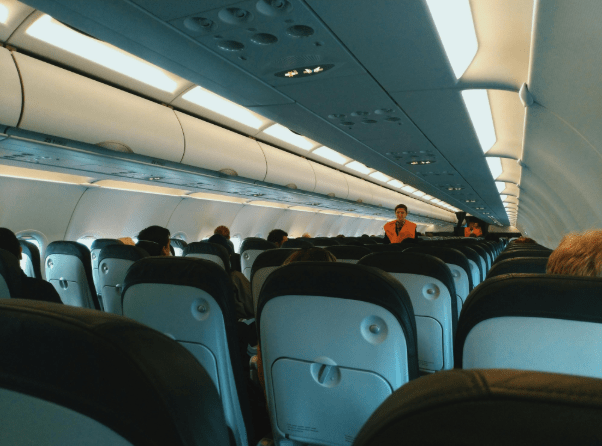
Checked baggage vs hand luggage liquids
Why you still see 100ml everywhere?
Even when you’re packing for checked baggage, most travel content repeats the 100ml rule because it’s the most common reason liquids are binned at the airport.
A quick mental checklist helps:
- Going through security in your cabin bag? That’s where 100ml rules show up.
- Putting it in your checked suitcase? That’s where dangerous-goods limits show up (aerosols/alcohol/flammables).
Some UK airports now mention higher cabin limits, why your checked-bag plan stays the same?
Some UK airports have been rolling out newer security equipment, and their cabin-liquid guidance can vary by airport and by time period. That can make the internet feel contradictory.
Your checked-baggage approach stays steady: you’re not using the 100ml rule, you’re following category-based dangerous goods rules and packing to prevent leaks/breakage.
What liquids you can pack in checked baggage without a specific security cap?
Full-size shampoo, conditioner, shower gel, lotions, makeup liquids, what’s fine?
In checked baggage, these are generally fine in normal retail sizes:
- Shampoo/conditioner/shower gel
- Skincare creams/serums
- Toothpaste and cosmetics
- Contact lens solution
Your main risk here isn’t confiscation, it’s leaks.
Food liquids (sauces, oils): what can go wrong and how to avoid it?
Food liquids are usually allowed in the hold, but they’re notorious for:
- Weak caps that loosen under pressure changes
- Glass breakage
- Oily leaks that spread everywhere
If you’re packing oils, sauces, chutneys, or similar, treat them like a spill is inevitable and pack accordingly (you’ll get a simple method below).

Toiletries and aerosols in checked baggage
Are aerosols allowed in checked baggage?
Often yes, but only within the limits used for personal toiletries. The number you want to remember is:
- Up to 0.5L (or 0.5kg) per item
- Up to 2L (or 2kg) total per person
Common examples people search for
Here’s a quick table you can paste into your blog, and it’ll answer most Can I bring X? questions instantly:
| Toiletry item | Usually allowed in checked baggage? | What to watch | Quick tip |
| Aerosol deodorant | Yes (within limits) | The cap/valve must be protected | Put the can in a sealed bag |
| Hairspray / dry shampoo spray | Yes (within limits) | Bigger cans can exceed 0.5L | Cushion in clothing |
| Shaving foam | Yes (within limits) | Accidental discharge | Keep the lid on tightly |
| Perfume/aftershave (glass) | Yes | Breakage | Wrap in socks + bag it |
| Pressurised workshop sprays | Sometimes not | Flammability/hazard labels | Don’t pack if labelled dangerous |
Alcohol in checked baggage
How much alcohol can you take in checked luggage?
The ABV (alcohol by volume) is what matters.
| ABV band | Examples | Can it go in checked baggage? | How much? |
| Under 24% ABV | Beer, most wine | Yes | No specific dangerous-goods cap |
| 24%–70% ABV | Most spirits/liqueurs | Yes | Up to 5L per person total, max 5L per container |
| Over 70% ABV | Very high-proof spirits | No | Not permitted |
One important nuance: Aviation safety rules aren’t the same thing as customs allowances. You may be allowed to fly with it, but not allowed to import that amount into a country without duties/taxes.
Duty-free liquids: Should you put them in checked baggage?
You can, but it’s usually a trade-off:
- Pros: less hassle carrying it around the airport
- Cons: breakage risk + you’re trusting checked luggage handling (and potential delays/loss)
A practical approach: keep expensive bottles protected and with you when feasible; put only well-wrapped, replaceable liquids in the hold.
Medicines, baby liquids, and special cases
Liquid medicines: checked vs carry-on, what you should do to avoid delays?
Liquid medicines can go in checked baggage, but your best practice is simple: carry essentials in your cabin bag so you’re not stuck without them if your suitcase is delayed.
Baby milk/formula and special dietary liquids
If you’re travelling with a baby or have special dietary needs, it’s often easier to carry what you’ll need for the journey in cabin luggage (airport rules and checks can vary). Pack backups in the hold only if you can afford to be without them temporarily.
Liquids you cannot pack in checked baggage
Toxic/corrosive chemicals
Household and industrial chemicals can fall into restricted categories (corrosive/toxic/oxidising). If the label reads like a warning sign, assume it’s not suitable for air travel baggage.
Flammables and garage liquids (fuel, thinners, some paints)
Many flammables and solvents are prohibited in luggage. The label is your friend: words like flammable, corrosive, toxic, oxidiser, or hazard pictograms are your cue to stop.
Avoid packing these liquids in checked baggage:
- Petrol/fuel, camping fuel, lighter fluid
- Paint, paint thinners, varnish, turpentine/solvents
- Strong adhesives and industrial glues
- Bleach and harsh drain/oven cleaners
- Pesticides, weedkiller concentrates, poisons
- Fireworks or anything explosive/ignitable
- Pepper spray / incapacitating sprays
- Lab/industrial chemicals with hazard pictograms
- Any liquid marked dangerous goods or UN numbered on the label
How to pack liquids in a suitcase so they don’t leak?
The 5-step leak-proof method
Leaks are the most common liquid problem in checked luggage. For entrepreneurs traveling to pitch meetings or client conferences, a liquid leak can ruin professional attire instantly.
Implementing a rigorous, multi-layered packing method safeguards your business wardrobe and ensures you arrive at your destination presentation-ready.
Pressure changes + baggage handling can undo a cap that felt tight at home. Use this simple method every time.
Leak-proof packing checklist:
- Put a small square of cling film over the opening, then screw the cap back on
- Seal each bottle in a zip bag (double-bag oils and perfume)
- Place bagged liquids inside a toiletry pouch as a second barrier
- Pack liquids in the centre of your suitcase, cushioned by clothes
- Add one absorbent item (small towel or spare T-shirt) near the pouch
Fragile bottles (perfume, olive oil): how to cushion them properly
Glass bottles should be immobilised, so they can’t knock against hard edges. Wrap them in soft clothing (socks work brilliantly), bag them, then wedge them snugly in the middle of the case.
Here’s what you can do next: when you zip up, give the suitcase a gentle shake; if you feel movement, add padding until it’s stable.
How do people talk about this topic?
Checked luggage and liquids
byu/Fair-Wedding-8489 inBritishAirways
How strict are they on the one clear bag of liquids per passenger at airport security?
byu/musicmaestro2004 inuktravel
when flying, if a bottle is labelled as having a capacity greater than 100ml but when picking it up it clearly feels less than 100ml is it okay to use?
byu/throwaway_acc1010 inAskUK
Final summary
You can pack normal-sized liquids in checked baggage because the 100ml limit is mainly for cabin security screening, not the hold. The main UK constraints you should remember are:
- Toiletries and aerosols: max 0.5L per item and 2L total per person
- Alcohol (24%–70% ABV): up to 5L per person total, max 5L per container
- Over 70% ABV: not permitted
- Avoid anything clearly labelled flammable/corrosive/toxic
If you do one thing today: pack liquids as if they’ll leak. It’s the difference between fine at arrival and shampoo explosion in your suitcase.
FAQs
How many 100ml bottles can I take on a plane in the UK?
In cabin baggage, passengers are typically restricted to liquids in containers up to 100ml, all fitting comfortably inside a single transparent, resealable plastic bag. However, check individual airport rules as UK hubs continue modernising security screening technology.
Can you take full-size shampoo in a checked bag?
Yes, full-size shampoo, conditioner, and large grooming bottles are completely permitted in checked baggage because hold luggage is not subject to the airport security 100ml liquid restriction applied to cabin bags.
Why not wear jeans on a plane?
Heavy denim lacks breathability, can restrict circulation during long-haul flights, and is prone to retaining moisture or stiffness, making comfortable business casual trousers or stretch fabrics a smarter choice for travel.
Do tablets have to go in a clear bag?
No, tablets, laptops, and larger electronic devices do not go in a clear liquid bag. Instead, security procedures require electronics to be removed from bags and placed separately in screening trays at airport security checkpoints.