
How to Start an Etsy Shop in the UK: A Step-by-Step Small Business Guide
Starting an Etsy shop involves establishing a verified seller account, configuring multi-currency payment settings, understanding HM Revenue and Customs tax thresholds, and publishing optimized product listings that adhere to UK consumer protection laws and digital marketplace standards.
Key Takeaway
- Etsy charges a standard listing fee of sixteen pence per item alongside a six point five percent transaction commission on total order values.
- Sellers exceeding thirty annual transactions or two thousand euros in revenue trigger automated reporting to HM Revenue and Customs under DAC7.
- Sole traders must register for Self Assessment with HM Revenue and Customs and secure a unique taxpayer reference before filing annual taxes.
- Online micro businesses must comply with UK consumer protection laws including the Consumer Contracts Regulations for returns and refunds.
How to Start an Etsy Shop from Scratch?
Opening an active digital storefront follows a structured sequential workflow designed to verify your identity and establish payment routing.
Creators who prepare their verification documents, such as a government-issued photo ID, a dedicated business bank account, and high-resolution product photography, typically complete this entire onboarding workflow in under an hour.
Phase 1: Account Creation and Regional Setup
- Access the Seller Portal: Navigate to the official Etsy seller portal and select the Get Started prompt to initiate the account creation wizard.
- Register Your Profile: Create a new user profile using a secure email address and a robust password combination.
- Configure Regional Parameters: Set your shop language to English, your country to the United Kingdom, and your currency to British Pounds.
Phase 2: Branding and Initial Listing Creation
- Select a Shop Name: Input a distinctive shop name between four and twenty characters. Ensure it avoids trademark infringements and prohibited symbols.
- Build Your First Listing: Create your very first product listing by adding detailed titles, comprehensive descriptions, high-resolution images captured under natural lighting, and transparent pricing.
If your inventory consists of digital goods, reviewing guidelines on how to sell digital downloads on Etsy ensures you configure instant file delivery and automated PDF links correctly from day one.
Phase 3: Financial Routing and Storefront Publication
- Set Up Banking and Billing: Link an active UK bank account matching your legal trading identity and configure a valid credit or debit card for monthly seller fee billing.
- Publish Your Storefront: Publish the initial draft listing to make your storefront visible to prospective buyers globally.
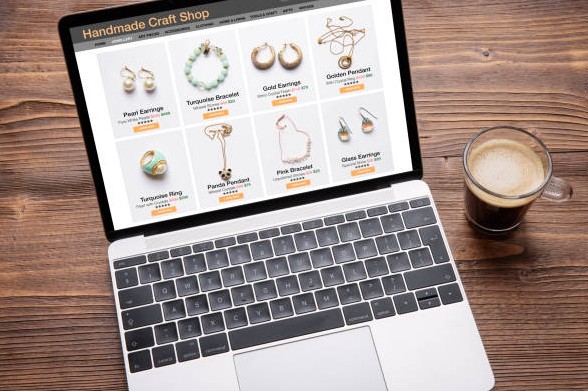
What documents are required Before Launching Your Store?
Prospective UK e-commerce operators must gather specific verification documents and operational tools before initiating digital registration.
Because Etsy partners with identity verification platforms like Persona to complete anti-fraud checks, having these materials ready prevents registration delays:
- Government-Issued Photo ID: A valid passport or photocard driving licence to verify your legal identity.
- Dedicated Business Bank Account: An active bank account matching your registered trading name or legal identity to receive payouts.
- Billing Payment Method: A valid credit or debit card configured for monthly marketplace fee billing.
- Product and Visual Assets: High-resolution product photography captured under natural lighting, alongside initial inventory batches, professional product descriptions, and transparent pricing models.
How much does it cost to run an Etsy shop in the UK?
Operating an online retail storefront involves calculating multiple marketplace commissions and statutory tax deductions to protect profit margins.
| Fee Category | Rate or Fixed Cost | Description |
| Listing Fee | £0.16 per item | Charged upon publishing or renewing a listing every four months |
| Transaction Commission | 6.5% of total order | Applied to item price, shipping cost, and gift-wrap charges combined |
| Payment Processing | ~4% + £0.20 per order | Variable fee covering secure credit and debit card processing |
| UK VAT | 20.0% standard rate | Levied on all platform service fees charged to UK sellers |
As of 2026, understanding these deductions ensures accurate product pricing. For example, James, a ceramicist based in Leeds, discovered that pricing handmade mugs without accounting for transaction commissions and payment processing fees eroded his net margins by nearly fifteen percent during his first trading quarter.
Are there any government grants available for an Etsy shop?
While direct, non-repayable government grants specifically for launching an online retail storefront are relatively rare, UK entrepreneurs can leverage several national and regional funding initiatives to support their business journey.
- Government-Backed Start-Up Loans: While structured as a low-interest personal loan rather than a traditional grant, leveraging specialized UK start-up business loans provides funding between £500 and £25,000 alongside free mentoring and business plan support for new ventures.
- Regional Growth Hubs and Local Councils: Local enterprise partnerships (LEPs) and municipal councils occasionally offer small business grants, digital adoption vouchers, or startup funding competitions. Availability varies significantly depending on your geographic region (e.g., England, Scotland, Wales, or Northern Ireland).
- The Prince’s Trust: For eligible young entrepreneurs aged 18 to 30, The Prince’s Trust provides enterprise support programs, mentoring, and small seed funding grants to help launch micro-enterprises.
- Specialist Sector Grants: Creators focusing on green innovation, sustainable manufacturing, or traditional crafts may occasionally qualify for niche regional development funds.
When searching for funding, always utilize the official UK Government Business Finance Support finder tool to identify verified, scam-free grants and financial assistance programs.
Should UK Etsy sellers register as a sole trader or a limited company?
Choosing the correct legal structure is a crucial step when figuring out how to start a small business, as it determines administrative overhead, personal liability exposure, and corporate tax obligations for UK micro-enterprises.
Most craft entrepreneurs begin as sole traders due to minimal initial paperwork, transitioning to limited company incorporation only after revenue scales past higher tax brackets.
| Legal Structure | Setup Complexity | Liability Protection | Tax and Reporting Requirements |
| Sole Trader | Low (Register with HMRC for Self Assessment) | Personal liability for business debts | Annual Self Assessment tax return; Class 2 and Class 4 National Insurance |
| Limited Company | Moderate (Incorporation via Companies House) | Limited liability shielding personal assets | Corporation Tax return (CT600), Annual Accounts, and confirmation statements |
When reviewing business formation decisions, starting as a sole trader keeps initial administrative tasks light while testing an idea, whereas scaling into a limited company provides stronger asset protection and optimized tax planning as profits increase.
How Do HMRC Compliance and Digital Platform Reporting Rules Apply to UK Etsy Sellers?
Navigating tax obligations requires strict adherence to HM Revenue and Customs guidelines and international digital transparency directives.
- All UK traders generating gross trading income above the £1,000 Trading Allowance must register for Self Assessment.
- Sellers must obtain a Unique Taxpayer Reference by the fifth of October following the end of the tax year of business commencement.
- Under DAC7 regulations, digital platforms automatically transmit annual sales data to tax authorities if a seller exceeds thirty transactions or €2,000 in revenue.
When reviewing tax records, failure to declare marketplace income can lead to severe penalties from tax authorities. For instance, Sarah, a vintage clothing seller in Bristol, maintained meticulous digital records of her inventory and postage costs, allowing her to file her annual Self Assessment smoothly without unexpected adjustments.
What are the Common pitfalls for new UK Etsy sellers to avoid?
Entering the e-commerce marketplace without adequate preparation can quickly erode profit margins and lead to administrative friction. Avoiding these frequent missteps will help safeguard your storefront’s long-term viability:
- Underestimating Total Platform and Fulfillment Costs: Many beginners calculate profits based solely on raw material costs, forgetting to factor in Etsy’s £0.16 listing fee, the 6.5% transaction commission, payment processing charges, packaging materials, and shipping overhead.
- Neglecting UK Consumer Protection Laws: Online micro-businesses must comply with the Consumer Contracts Regulations. Failing to display a clear returns policy, missing the mandatory 14-day cancellation window for consumer refunds, or neglecting product safety standards can lead to severe penalties from Trading Standards.
- Mixing Personal and Business Finances: Operating out of a personal bank account makes tracking revenue, allowable expenses, and tax liabilities unnecessarily complicated when filing an annual Self Assessment with HMRC.
- Poor SEO and Keyword Optimization: Relying on basic item titles while ignoring Etsy’s search algorithm limits visibility. Failing to utilize all thirteen available product tags or neglecting long-tail local search keywords will heavily restrict organic traffic.
- Failing to Track the £1,000 Trading Allowance: Ignoring gross revenue thresholds can result in unexpected non-compliance penalties. Keep meticulous digital records from day one to ensure smooth tax reporting once trading limits are crossed.

Conclusion
Establishing a thriving marketplace presence requires balancing creative inventory production with disciplined administrative execution.
By verifying identification early, choosing an appropriate legal structure, calculating precise fee margins, and maintaining transparent tax records with HM Revenue and Customs, online retailers can build sustainable, compliant commercial operations.
Review your shipping workflows and digital listings regularly to maintain peak search performance.
Disclaimer: This article is for general informational purposes only and does not constitute financial, tax, or legal advice; consult a qualified professional or HMRC directly for guidance specific to your situation.
FAQs
Do I need a business licence to sell on Etsy UK?
No formal trading licence is legally mandated for standard craft or vintage sales in the UK, but operators must register with tax authorities and comply with product safety regulations enforced by Trading Standards.
Does Etsy inform HMRC about UK seller earnings?
Yes. Under digital platform reporting rules aligned with international DAC7 standards, Etsy automatically shares seller identity and sales data with tax authorities when thresholds of thirty transactions or two thousand euros are crossed.
Can I run an Etsy shop while employed full-time in the UK?
Yes, UK employees can operate a secondary e-commerce venture, provided gross trading income remains below the annual trading allowance or is properly declared through standard annual Self Assessment tax filings.
What is the best shipping carrier for UK Etsy sellers?
Most domestic sellers utilize Royal Mail or Evri for parcel fulfillment, integrating tracked postage profiles directly into Etsy shipping templates to ensure transparent delivery timelines for buyers.
How many tags can I use on an Etsy listing?
Sellers can utilize up to thirteen distinct tags per listing, which should incorporate specific long-tail keywords and relevant local search terms to maximize visibility within marketplace search results.