Is Snus Legal in the UK? A Complete Business Guide to Workplace Rules and Retail Laws
Determining the legal status of snus in the UK requires checking the specific ingredients of the product. While it is strictly illegal to sell or market tobacco-based snus within the UK, it remains legal to possess for personal use.
Conversely, tobacco-free nicotine pouches are legal to buy and sell, provided they meet 2026 safety and age-restriction standards.
Key Takeaways
- Selling traditional tobacco snus is a criminal offence in the UK, but personal possession remains legal.
- Tobacco-free nicotine pouches (like Zyn or Velo) are fully legal to buy and sell.
- The Tobacco and Vapes Act 2026 legally mandates a minimum age of 18 for purchasing nicotine pouches, effective 29 October 2026 in Northern Ireland and 1 January 2027 across the rest of the UK.
- Using smokeless nicotine pouches indoors is not prohibited by government law, but employers can ban them under company HR policies.
What is Snus?
Traditional snus is a moist, pasteurised tobacco product that originated in Sweden. It is typically tucked under the upper lip.
- Ingredients: Contains ground tobacco leaf, water, salt, and flavouring agents.
- Appearance: Often brown or dark in colour due to the tobacco content.
- Legal Status: Banned for commercial sale in the UK since 1992.
What are Nicotine Pouches?
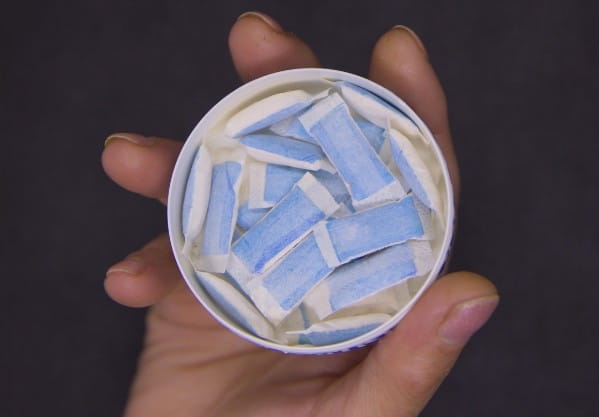
Often called white snus or nicopods, these are modern, tobacco-free alternatives that have surged in popularity across the UK. These products serve as the primary legal alternative to traditional tobacco snus.
- Ingredients: Contain nicotine extracted from tobacco plants, but the tobacco leaf itself is removed and replaced with plant-based fibres and sweeteners.
- Appearance: Always white (preventing the brown teeth look associated with tobacco).
- Legal Status: Fully legal for sale and use by adults (18+) in the UK.
The Law: Traditional Tobacco Snus vs Nicotine Pouches
If you are an employer or retailer wondering what snus means for your HR and compliance policies, the word is often used as a catch-all term in the UK, but the law strictly distinguishes between products based on tobacco content.
- Traditional Snus: Contains pasteurised ground tobacco. This oral tobacco product has been illegal to sell in the UK since 1992, although possession for personal use is permitted.
- Nicotine Pouches: Contain nicotine extracted from the tobacco plant, mixed with plant-based fibres, but no actual tobacco leaf. Because they are tobacco-free, they are legally classified as consumer products and are fully legal to buy and sell.
When reviewing stock decisions, UK customs officials look specifically for the presence of tobacco leaf to determine if a shipment is a prohibited oral tobacco product or a legal consumer nicotine product.
The Tobacco and Vapes Act 2026 and High Street Sale Rules
While traditional snus remains banned for commercial supply, it is perfectly legal for adults to buy tobacco-free nicotine pouches from UK high-street retailers.
Current British regulations focus on prohibiting the commercial supply of oral tobacco rather than criminalising individual consumption.
Under the Tobacco and Vapes Act 2026, the retail environment for legal nicotine pouches has been tightened. It is legally mandated that nicotine pouches can only be sold to adults aged 18 and over as of the 2026/27 tax year.
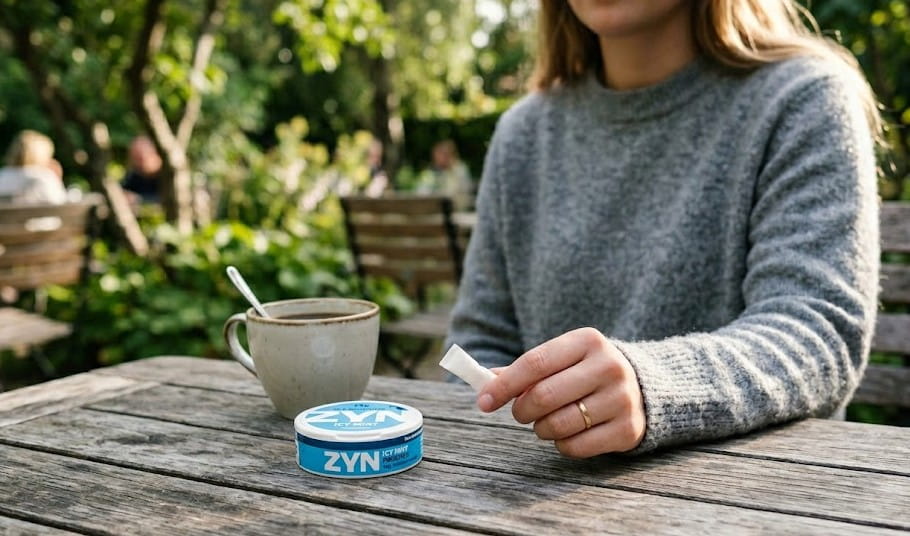
Brands like Killa Snus and Zyn fall into this legal category and are often called white snus or Nicopods.
While “snus” is the popular term used in UK football changing rooms, the only versions legal for retail sale in England, Scotland, and Wales are 100% tobacco-free nicotine pouches. Verified against the Tobacco and Vapes Act 2026 and HMRC Excise Notice 2026.
Is snus allowed in UK business premises?
Because traditional snus and nicotine pouches are entirely smokeless, they do not fall under the UK’s indoor smoking ban (Health Act 2006). This means it is not legally prohibited by the government to use these products inside an office, shop floor, or warehouse.
However, employers have the full legal right to set their own workplace rules regarding nicotine consumption.
Punishment for using snus in the business premises or area
If a company’s HR policy explicitly bans the use of snus or nicotine pouches on company time or premises, employees must comply.
Using it at your desk against company policy can lead to disciplinary action. Depending on how strict the company’s code of conduct is, punishments can range from a verbal warning to formal misconduct proceedings.
What are the alternatives I can use in the UK and UK business premises?
For employees looking for discreet ways to manage nicotine cravings without violating office policies or taking excessive outdoor breaks, tobacco-free nicotine pouches (like Zyn or Velo), nicotine gum, and nicotine lozenges are the best alternatives.
Unlike vaping, these alternatives do not produce vapour clouds, making them far less disruptive to coworkers.
What Has Actually Changed?
The UK government recently solidified its stance via the Tobacco and Vapes Act 2026, which received Royal Assent on 29 April. This legislation aims to create a smoke-free generation by banning tobacco sales to anyone born after 2008.
While targeting cigarettes, the Act also tightens marketing rules for the nicotine pouches sold on British high streets today.
Key Changes Under the 2026 Act:
- The Generational Ban: It is now illegal to sell tobacco products to anyone born on or after 1 January 2009. This aims to phase out smoking and tobacco use entirely over time.
- Strict Age Mandates: While previously a grey area, the statutory minimum age of sale of 18 for nicotine pouches takes legal effect in Northern Ireland on 29 October 2026, followed by a UK-wide rollout on 1 January 2027.
Marketing & Branding Overhaul:
- Anti-Youth Appeal: Government powers now strictly regulate packaging. Neon colours, sweet-style names, and cartoon imagery are banned to prevent appeal to minors.
- Vending Machine Ban: Vending machines for nicotine products are now prohibited (with very narrow exceptions in adult mental health settings).
- Future-Proofing: The Act gives the Secretary of State powers to regulate novel nicotine products that haven’t even been invented yet, ensuring the law doesn’t fall behind market trends.
Is snus legal in England and the wider UK for under-18s?
Under the Tobacco and Vapes Act 2026, it is a criminal offence to sell any nicotine product, including tobacco-free pouches, to anyone under 18. The law closed previous loopholes to ensure that minors cannot legally access snus or nicotine alternatives in England or the wider UK, backed by strict age-verification protocols.
| Product Type | Sale Status (UK) | Possession Status | Age Limit |
| Tobacco Snus | Illegal | Legal (Personal Use) | 18+ (Import) |
| Nicotine Pouches | Legal | Legal | 18+ |
| Killa / Strong Pouches | Legal | Legal | 18+ |
| Vapes / E-cigs | Legal | Legal | 18+ |
For those operating a small business or local shop, compliance now hinges on the Challenge 25 protocol. Failure to comply with these updated age-gate requirements can result in unlimited fines. Under the 2026 framework, retailers also risk the permanent loss of their licence.

Can you bring snus into the UK from abroad?
Yes. Travellers aged 18 or over can legally bring traditional tobacco snus into the UK for personal use, provided they stay within the HMRC personal tobacco allowance of 250g. While commercial supply and retail sale remain strictly prohibited under the 1992 ban, UK Border Force permits personal imports if there is no commercial intent or intent to resell.
However, the Tobacco and Vapes Act 2026 has introduced several new hurdles for both consumers and businesses:
- Marketing Restrictions: New anti-youth packaging laws mean pouches cannot use bright, cartoonish designs.
- Point of Sale: In some jurisdictions, pouches must now be kept out of sight, similar to cigarettes.
- Nicotine Caps: As of late 2025, the government has the power to limit the maximum nicotine strength per pouch, typically aiming for a 20mg ceiling to align with vape liquid standards.
Does airport security check snus?
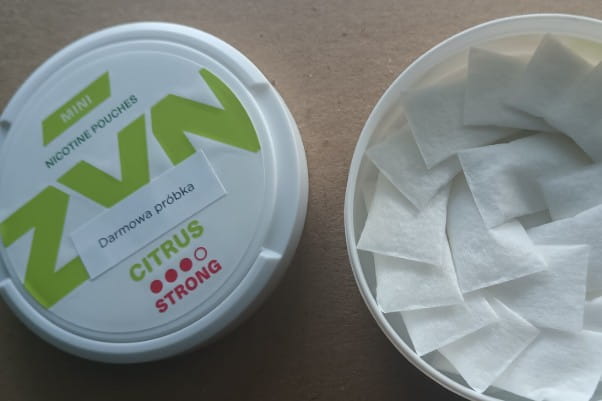
Yes, they may inspect the tins during X-ray screening. Since snus is not a liquid, it does not need to go in your clear liquids bag. However, while security allows possession, you must check individual airline policies, as many strictly prohibit the use of any nicotine products on board.
How to Buy Legally? (Consumer Checklist)
- Verify the retailer uses a third-party age verification service.
- Check for the HMRC Duty Stamp (where applicable for vapes) or general product safety labelling.
- Ensure the product is clearly labelled as Tobacco-Free.
7 Steps for Legally Importing Snus for Personal Use
- Verify Tobacco Content: Ensure you stay within the permitted personal allowance (specifically 250g of tobacco) as per current HMRC thresholds.
- Declare if Necessary: If you exceed personal limits, you must declare them at the Red Channel at the airport.
- Ensure you are 18 or over: You must be of legal age to bring any tobacco or nicotine products into the UK.
- Original Packaging: Keep products in their original tins to show ingredients to Border Force.
- No Intent to Resell: Customs will seize items if they suspect you intend to sell them (e.g., carrying 50+ logs).
- Hand Luggage vs Checked: Both are allowed, but keeping them in hand luggage makes inspection easier.
- Abide by specific airline rules: While possession is legal, using them on a plane is strictly subject to the carrier’s no-nicotine policy.
The Retailer’s Compliance Checklist
Independent UK retailers often experience a lack of clarity regarding White-Label imports. To maintain your status and avoid the severe penalties outlined in the 2026 Act, your business should audit its inventory against these four pillars of compliance.
- Inventory Segregation: Ensure that any product containing actual tobacco leaf is never offered for sale. Retail compliance requires you to provide only products that meet current safety standards. This specifically excludes chewing tobacco that mimics snus but falls under the 1992 ban.
- Packaging Visuals: Under the new Anti-Youth Appeal regulations, ensure your stocked pouches do not feature neon colours or character-based branding, which are now high-risk for trading standards seizures.
- Nicotine Duty Verification: Be aware that the new HMRC Vaping Products Duty introduced in October 2026 applies exclusively to e-liquids, not solid nicotine pouches, meaning pouches do not require these duty stamps.
- Staff Training Logs: Keep a written record of staff training regarding the Smoke-Free Generation laws.
If a staff member sells to someone born after 2008, having a Due Diligence defence is your only protection against a summary fine.
Why is snus so popular in the UK and used by footballers?
You may have noticed professional athletes, from Sunday league players to Premier League stars, using small white pouches. While the term snus is used in the dugout, 2024 data show that nearly 1 in 5 professional players now use tobacco-free nicotine pouches.
Why do footballers do snus?
According to the May 2024 joint research study by the PFA and Loughborough University, player motivations are largely driven by stress relief and social bonding, rather than performance enhancement.
- Relaxation and Unwinding: 41% of male players (and 64% of female players) cited “to relax” as their primary motivation for first using nicotine pouches. The vast majority use it as a coping mechanism to wind down from the adrenaline of elite football, with usage peaking after training (86%) and post-match (85%).
- Social Ritual: Pouches are heavily used socially to spend time with teammates, acting as a bonding tool on team buses and during travel.
- Dependence and Habit: The study highlighted a significant rate of addiction. Among current users, 53% of male players and 73% of female players reported elements of nicotine dependence (such as cravings and restlessness).
- A Desire to Quit: Despite its popularity, the habit is largely unwanted by the players themselves. Over half of current users in the men’s game indicated they want to quit within the next 12 months, driven by negative side effects like impacted sleep and sickness.
WADA Status 2026: Nicotine remains on the World Anti-Doping Agency (WADA) 2026 Monitoring Program for in-competition use. It is currently legal in professional sports, but officials actively track its consumption patterns to determine if it should be upgraded to the Prohibited List.
Why Professional Sports Are Re-evaluating Snus?
While the visual of a footballer with a lip in has become synonymous with the modern game, the PFA’s comprehensive 2024 study led club medical departments to issue stark warnings regarding player welfare.
Beyond the legality, the focus has shifted to Performance vs. Recovery. While some players perceive nicotine as a short-term focus aid, club doctors highlight that its role as a stimulant heavily disrupts optimal recovery, specifically citing poor sleep quality and overnight cardiovascular spikes (tachycardia) following post-match use.
Furthermore, medical staff continue to advise younger athletes on the long-term oral health risks, including irreversible gum recession and mucosal lesions.
Does snus stain your teeth or cause permanent damage?
A frequent concern for users is: can dentists tell if you ZYN? The short answer is yes. Even though tobacco-free pouches don’t contain the tar that causes yellowing in cigarettes, nicotine is a vasoconstrictor. This means it reduces blood flow to the gums.
- Is snus gum damage reversible? Early-stage irritation (leukoplakia) often heals if you stop use or move the pouch to a different spot. However, gum recession (where the gum pulls away from the tooth) is permanent and cannot be reversed without surgery.
- Staining: Tobacco-free white pouches are far less likely to stain teeth than traditional Swedish snus or cigarettes.
Navigating UK Nicotine Compliance
The legal status of snus in the UK is a split reality. You cannot walk into a shop and buy tobacco snus, but you can legally buy and use the white nicotine pouch versions.
With the Tobacco and Vapes Act 2026 now in force, the most important thing for any user or small business owner is to ensure strict age compliance and to stay informed on the evolving rules around nicotine strengths and packaging.
FAQ
How old do you have to be to buy snus?
To purchase tobacco-free nicotine pouches (often referred to as snus) in the UK, you must be at least 18 years old. Under the Tobacco and Vapes Act 2026, retailers are required by law to strictly enforce these age restrictions.
Does snus make you high?
No, snus does not make you high. It delivers a strong dose of nicotine which can cause a temporary “buzz” or head rush especially for new users characterised by feelings of alertness or lightheadedness. However, it does not possess psychoactive properties like THC found in cannabis.
Is snus tobacco?
Traditional Swedish snus is made from pasteurised ground tobacco leaves. However, the products legally sold in UK shops (such as Zyn, Velo, or Killa) are strictly tobacco-free nicotine pouches. They contain nicotine extracted from the plant, combined with plant fibres, but no actual tobacco leaf.
Is snus a drug?
Nicotine is a stimulant drug. While snus and pouches are legal consumer products for adults, they contain an addictive substance that affects the central nervous system.
How many cigarettes are in 1 Zyn pouch?
A standard 6mg Zyn pouch delivers a similar amount of nicotine to 1–2 cigarettes, though the absorption rate through the gums is slower and more sustained.
Can I take snus on an empty stomach?
It is not recommended. Nicotine can stimulate gastric acid production, which may lead to nausea or nicotine sickness if you haven’t eaten.
Disclaimer: The information provided in this article is for educational purposes only and does not constitute legal or financial advice. UK legislation and compliance requirements may change; always verify current regulations with official government sources before making business decisions.