Is Abortion Legal in UK? A Complete 2026 Guide to Rights and Care
As of 2026, is abortion legal in UK? Yes, Abortion is a regulated and legal healthcare service in the United Kingdom.
Under the Abortion Act 1967, individuals in England, Scotland, and Wales can access these services up to 24 weeks of pregnancy, provided two doctors agree that the procedure supports the patient’s physical or mental wellbeing.
In Northern Ireland, the 2020 regulations allow for abortion on request up to 12 weeks, with subsequent access aligning with the rest of the UK.
Is abortion legal in UK in 2026?
Abortion is legal in the UK up to 24 weeks of pregnancy under the Abortion Act 1967, provided the procedure is approved by two doctors.
In 2026, new legislation decriminalised self-managed care, ensuring that reproductive health is treated strictly as a medical matter rather than a legal one.

The Crime and Policing Act 2026
On 29 April 2026, the Crime and Policing Act 2026 received Royal Assent, marking a fundamental shift in reproductive rights.
This legislation finally removed the threat of criminal prosecution for those ending their own pregnancy in England and Wales, a legal relic dating back to the Victorian era.
Impact on SMEs and Employees
For small business owners and employees, this means reproductive care is now managed strictly as a healthcare matter.
This clarity is essential for those navigating various stages of reproductive health, including understanding how much Maternity Allowance is in 2026, ensuring that patients are met with medical support rather than legal hurdles.
Under the Crime and Policing Act 2026, England and Wales have fully removed Victorian-era criminal sanctions for ending a pregnancy, aligning the law with modern clinical standards.
How far into pregnancy can you abort in the UK?
The legal window for abortion care in the UK depends on the specific circumstances and the region in which you reside.
- England, Scotland, and Wales: The statutory limit is 24 weeks of gestation (Ground C), requiring the certification of two medical practitioners.
- Northern Ireland: Abortion is available on request up to 12 weeks, and up to 24 weeks if there is a risk to mental or physical health.

Is abortion legal in the UK after 24 weeks?
Abortion is legal after 24 weeks, and in extremely rare circumstances, up to the point of birth, only if specific medical criteria are met. These are known as Ground E or Ground B cases. For a procedure to occur after the 24-week threshold, doctors must confirm that:
- Continuing the pregnancy would involve a risk to the life of the pregnant person.
- The termination is necessary to prevent grave permanent injury to the physical or mental health of the pregnant person.
- There is a substantial risk that if the child were born, it would suffer from such physical or mental abnormalities as to be seriously handicapped.
Telemedicine and the Pills by Post limit
For those opting for medical abortion (the pill) via telemedicine, the legal limit for taking the medication at home is 9 weeks and 6 days of gestation.
If you have surpassed this window, the law requires you to attend a clinic for at least the first part of the treatment to ensure medical safety and oversight.
| Region | Limit on Request | Standard Legal Limit | Post-24 Week Exceptions? |
| England & Wales | N/A (Requires 2 Doctors) | 24 Weeks | Yes (Medical necessity) |
| Scotland | N/A (Requires 2 Doctors) | 24 Weeks | Yes (Medical necessity) |
| Northern Ireland | Up to 12 Weeks | 24 Weeks | Yes (Medical necessity) |
Are abortions free in the UK?
Yes, abortion care is free for the vast majority of residents in the UK. Approximately 99% of abortions are funded by the NHS (Department of Health and Social Care, 2025).
Even if you receive care through a private provider like BPAS or MSI Reproductive Choices, the cost is typically covered by the NHS as long as you have a valid NHS number and are registered with a GP.
Is abortion legal in the UK for international students?
International students living in the UK on a Tier 4 visa are generally entitled to free abortion care. Because students pay the Immigration Health Surcharge (IHS) as part of their visa application, they have the same access to NHS reproductive services as UK residents.
How to Get an Abortion in the UK?
If you need to access services, follow this professional pathway:
- Check your NHS eligibility: Ensure your NHS payment is up to date.
- Contact a provider: You do not need a referral from a GP; you can call providers like BPAS or MSI directly.
- Provide your NHS number: This allows the provider to bill the NHS rather than charging you.
- Book a consultation: This can often be done over the phone.
- Attend your appointment: Whether in-person or via telemedicine.
- Receive medication or procedure: This includes all follow-up care.
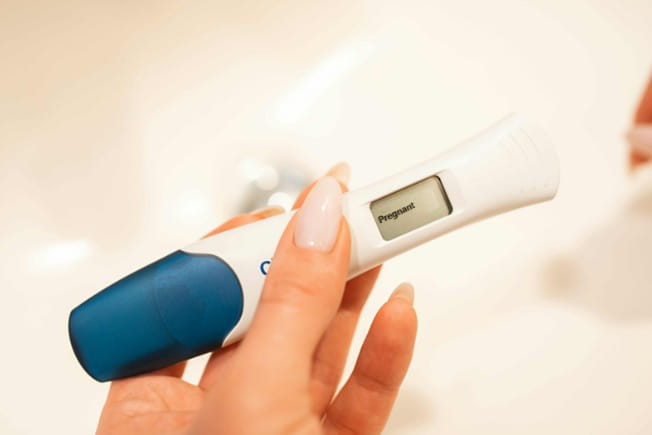
- Post-care check: Use the provided pregnancy test 3 weeks later to confirm completion.
Navigating Early Pregnancy Decisions
The second month (weeks 5–8) is often the most intense due to rising hormone levels. If you are 2 months pregnant and don’t want the baby, you are well within the legal timeframe for all types of abortion care in the UK.
Is a 2-month abortion painful?
At 8 weeks, most patients choose a medical abortion. This involves:
- Physical Sensation: Significant cramping and heavy bleeding, often compared to an intense period.
- The Protocol: Taking Mifepristone, followed by Misoprostol 24–48 hours later.
- Safety: The procedure is exceptionally safe at this stage, though peak hormonal fatigue can make this week feel physically taxing.
Note: Viral trends like the 3-2-1 rule have no clinical bearing on abortion care. Follow the two-step medical protocol provided by your doctor instead.
What is the recovery like after an abortion?
Physical recovery from a medical abortion is usually swift. Most people find that the heaviest bleeding and cramping subside within 24 to 48 hours of taking the second medication. However, it is normal to experience light bleeding or spotting for up to two weeks afterward.
Supporting your body and mind
- Physical Changes: Nausea and breast tenderness may persist for a few days as hormones drop. Your period usually returns in 4–6 weeks.
- Activity: Avoid heavy lifting for 48 hours and avoid vaginal insertion (tampons/sex) until heavy bleeding stops.
- Financial Support: If you have long-term health impacts or disabilities, checking PIP Descriptors through the DWP can help you access necessary financial assistance.
- Emotional Health: Organizations like Abigail’s Footsteps or the NHS secular counseling offer non-judgmental support.
Abortion Rights and the SME Workplace
For small business owners and employees, understanding the intersection of healthcare and employment law is crucial.
Many people ask, is abortion legal in UK workplaces regarding privacy? In the UK, an employee’s decision to have an abortion is a private medical matter.
Confidentiality and Leave
- Confidentiality: Employees are not legally required to disclose the nature of their medical leave to an employer.
- Rest Entitlements: Employees should be aware of their rights, such as the mandatory break entitlement for a 9-hour shift, to ensure proper recovery.
- SME Policy: By 2026, most SMEs are encouraged to have formal reproductive health policies to ensure compliance with privacy laws and support staff welfare.
Final Summary and Next Steps
The legal status of abortion in the UK is firm, with 2026 bringing even greater protections for individuals through the decriminalisation of self-managed care.
When considering is abortion legal in UK territories, your first step should be to contact an NHS-approved provider such as BPAS, MSI Reproductive Choices, or the National Unplanned Pregnancy Advisory Service (NUPAS). You do not need a GP referral, and care is almost always free and confidential.
FAQ about Is abortion legal in UK?
Is 7 weeks too late to abort?
No. At 7 weeks, you are eligible for both medical abortion (the pill) and surgical options.
Which abortion method is safest?
Both medical and surgical abortions are extremely safe. Medical abortion is often preferred in the first 10 weeks because it is non-invasive, while surgical abortion is highly effective and completed in a single clinic visit.
In which countries is abortion illegal?
While abortion is legal and safe in the UK, it remains highly restricted or illegal in many countries, including Poland, Malta, and several states in the USA. This global context highlights the importance of the UK’s regulated healthcare approach.
Can I take an abortion pill from a pharmacy?
No. You cannot buy abortion pills over the counter at a pharmacy in the UK. They must be prescribed by a regulated provider (NHS or private) to ensure you are receiving genuine medication and proper medical screening.
How much does an abortion cost in India vs. the UK?
In India, costs vary significantly between the public and private sectors. In the UK, care is free via the NHS. For those without NHS eligibility, UK private costs range from £500 to £2,000 (MSI Reproductive Choices Price Guide, 2026), depending on gestation, whereas in India, costs may be lower, but travel and safety regulations differ.
Will God forgive me for having an abortion?
This is a deeply personal question. Many religious organisations in the UK offer post-abortion healing and spiritual guidance. Multi-faith chaplaincies within the NHS are also available to discuss these feelings in a non-judgmental space.
How far into pregnancy can you abort in the UK?
The standard limit is 24 weeks. Beyond this, it is only legal if there is a severe risk to the mother’s life or a significant fetal abnormality.