
How Many Bank Holidays in 2026: Regional UK Dates, SME Payroll Rules and Working Days Guide
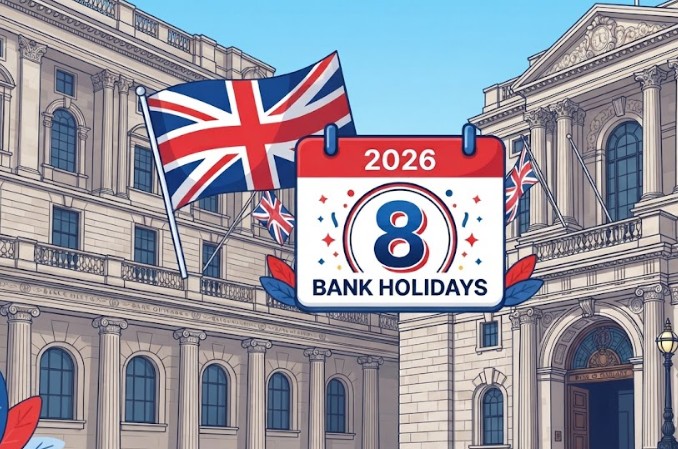
Across the UK, there are 8 bank holidays in England and Wales, 10 in Scotland (including a special 2026 World Cup addition), and 10 in Northern Ireland. Managing multi-jurisdictional teams requires carefully navigating these regional divergences, payroll compression points, and statutory holiday rules to avoid costly compliance oversights.
Key Takeaways
- England and Wales observe eight standard bank holidays throughout the 2026 calendar year.
- Scotland features ten bank holidays in 2026 due to regional dates and a World Cup extra day.
- Northern Ireland recognises ten bank holidays, incorporating St Patrick’s Day and Orangeade Day.
- Weekend calendar clashes for Christmas shift Boxing Day’s substitute day to Monday, 28 December.
- SMEs must factor statutory closures and payroll compression points into annual operational planning.
How many bank holidays in 2026 are there across the UK?
The total number of bank holidays varies across the four constituent nations of the United Kingdom, driven by statutory traditions, local custom, and occasional royal or parliamentary proclamations.
For small business owners operating multi-site teams or remote workforces across borders, mapping these regional disparities prevents costly compliance errors and payroll miscalculations.
| Date | Day | England and Wales | Scotland | Northern Ireland |
| 1 January | Thursday | New Year’s Day | New Year’s Day | New Year’s Day |
| 2 January | Friday | — | 2nd January | — |
| 17 March | Tuesday | — | — | St Patrick’s Day |
| 3 April | Friday | Good Friday | Good Friday | Good Friday |
| 6 April | Monday | Easter Monday | — | Easter Monday |
| 4 May | Monday | Early May Bank Holiday | Early May Bank Holiday | Early May Bank Holiday |
| 25 May | Monday | Spring Bank Holiday | Spring Bank Holiday | Spring Bank Holiday |
| 15 June | Monday | — | World Cup Holiday | — |
| 13 July | Monday | — | — | Battle of the Boyne |
| 3 August | Monday | — | Summer Bank Holiday | — |
| 31 August | Monday | Summer Bank Holiday | — | Summer Bank Holiday |
| 30 November | Monday | — | St Andrew’s Day | — |
| 25 December | Friday | Christmas Day | Christmas Day | Christmas Day |
| 28 December | Monday | Boxing Day (Substitute) | Boxing Day (Substitute) | Boxing Day (Substitute) |
Understanding these structural differences ensures that businesses managing distributed teams can accurately calculate statutory leave entitlements without facing unexpected workforce shortages or compliance penalties.

How many bank holidays in 2026 UK England apply to staff rota?
For businesses operating primarily in England and Wales, exactly 8 bank holidays apply for the 2026 calendar year, strictly following the baseline schedule defined by the Banking and Financial Dealings Act 1971.
When Christmas Day falls on a Friday (as it does in 2026) and Boxing Day falls on a Saturday, the routine substitute day protocol takes effect.
Because Boxing Day lands on a weekend, the Department for Business and Trade designates Monday, 28 December as a substitute weekday bank holiday.
This creates a secure four-day weekend for standard office-based environments, though retail and hospitality SMEs must plan staffing rotas around compulsory Sunday trading restrictions on Easter Sunday, 5 April.
In practice, SMEs scheduling continuous production lines or customer support rotas must establish clear policies regarding holiday working rights well in advance of the winter break.
Why do Scotland and Northern Ireland have different bank holiday dates?
Devened by local statutory traditions and historical observances, Scotland and Northern Ireland diverge from the baseline English model by incorporating regional holidays into their legal frameworks.
| Jurisdiction | Permanent Bank Holidays | Regional / Unique Holidays | Summer Bank Holiday Timing | Total Bank Holidays (2026) |
| Scotland | 9 | 2 January, St Andrew’s Day (30 Nov), and 15 June 2026 World Cup special | First Monday of August | 10 |
| Northern Ireland | 10 | St Patrick’s Day (17 Mar) and Battle of the Boyne or Orangemen’s Day (13 Jul) | Final Monday of August (Aligned with England and Wales) | 10 |
| England and Wales (Baseline) | 8 | Standard baseline with no regional additions | Final Monday of August | 8 |
How many working days are left in 2026 UK excluding bank holidays?
Calculating net operational capacity requires subtracting weekends and regional bank holidays from the total 365 days in the 2026 calendar year.
For a standard business operating in England with 52 weekends (104 days) and 8 regional bank holidays, the gross available working time equates to approximately 253 working days.
| Annual Metric Component | Standard England Calculation | Notes and Operational Impact |
| Total Calendar Days | 365 Days | Full annual span for 2026. |
| Weekend Days | 104 Days | Standard Saturday and Sunday closures. |
| Statutory Bank Holidays | 8 Days | England and Wales baseline total. |
| Net Working Days Available | 253 Days | Maximum theoretical capacity before annual leave. |
A common pattern is for business owners to subtract individual employee holiday allowances (such as 28 days inclusive of bank holidays) from this 253-day total to determine exact staff availability for project planning.

What are my legal obligations for holiday entitlement and part-time staff?
Under the Working Time Regulations 1998, workers in the UK are legally entitled to a minimum of 5.6 weeks of paid annual leave per year, which translates to a capped statutory maximum of 28 days for full-time employees.
When structuring employment contracts, a common point of clarification for managers is whether 28 days’ holiday includes bank holidays within company policy. Employers possess the contractual right to include them as part of this allowance or provide them on top.
Employers possess the contractual right to include bank holidays as part of this statutory 28-day allowance, or to provide them on top of standard holiday entitlement.
When managing part-time personnel who do not regularly work on Mondays, employers must calculate entitlements fairly to avoid indirect discrimination claims monitored by the Acas (Advisory, Conciliation and Arbitration Service).
- Calculate the part-time worker’s standard weekly hours as a fraction of a full-time 5-day schedule.
- Multiply this fraction by 5.6 weeks to determine total statutory annual leave entitlement in days.
- Review whether the employee’s regular working days coincide with statutory bank holidays.
- Pro-rate bank holiday closures so that part-time staff receive an equivalent percentage of time off or holiday pay, regardless of whether their contracted day falls on a Monday.
Ensuring transparent calculation methods protects small businesses from employment tribunal disputes regarding unfair holiday allocation.
How do bank holidays affect SME payroll, annual leave carry-over, and Companies House filing deadlines?
Statutory non-working days directly alter compliance timelines, filing windows, and cash flow execution for small and medium-sized enterprises.
When a bank holiday coincides with standard reporting periods, corporate administration windows shift automatically.
For example, Good Friday on 3 April 2026 compresses the timeline for finalising year-end payroll, issuing P60 forms, and submitting final real-time information reports to HM Revenue and Customs (HMRC) before the tax year closes on 5 April.
Similarly, Companies House and tribunal offices do not process filings on bank holidays, meaning statutory deadlines falling on these dates roll over to the next working day.
When reviewing decisions involving cash flow, employers should note that automated BACS payment runs scheduled during bank holiday weekends require early submission to ensure staff salaries clear on time without disruption.
Similarly, businesses handling staff benefit schedules or state support coordination should review guidelines on bank holiday early benefit payments from the DWP alongside standard payroll timing to prevent banking delays.
Conclusion
Managing UK bank holidays successfully requires proactive planning across payroll, HR policies, and operational scheduling.
Small business owners should immediately audit staff contracts to clarify bank holiday inclusion rules, map out regional variations for multi-site or remote workers, and adjust BACS payment schedules around spring and winter closures.
Implementing these measures early prevents compliance oversights and protects organizational productivity throughout 2026.
Disclaimer: This guide is for general informational purposes only and does not constitute formal legal or financial advice; employers should consult official government portals or qualified professionals for specific compliance requirements.
FAQs
Are there always 8 bank holidays in the UK?
No, the total varies significantly by region and year. While England and Wales consistently observe 8 standard bank holidays, Scotland typically schedules 9, and Northern Ireland recognises 10. Totals can also increase due to special national events or royal proclamations.
Will there be an extra bank holiday in the UK in 2026?
No extra or ad-hoc national bank holidays have been proclaimed by the government for the UK as a whole in 2026. However, Scotland features a special one-off bank holiday on Monday, 15 June 2026, for the World Cup.
Which UK country has the most bank holidays?
Northern Ireland and Scotland share the highest total for 2026, each observing 10 bank holidays. Northern Ireland incorporates St Patrick’s Day and the Battle of the Boyne, while Scotland includes 2 January, St Andrew’s Day, and the World Cup date.
What are the next holidays in the UK?
The next applicable holiday depends entirely on the current calendar date and geographic region. Employers should cross-reference the official Gov.uk scheduling portal to confirm upcoming local statutory closure dates before publishing staff rotas.
Can employers force staff to work on a bank holiday?
Employers can require staff to work on a bank holiday only if the employment contract permits it and sufficient notice is given. If bank holidays are included within the statutory 28-day holiday allowance, staff required to work must receive equivalent alternative time off in lieu.
How are part-time workers affected by Monday bank holidays?
Part-time employees who do not work on Mondays are often disadvantaged if bank holidays are automatically deducted from their leave. Employers must pro-rate bank holiday entitlement to ensure fair treatment under part-time worker regulations.
Does Companies House extend filing deadlines due to bank holidays?
Statutory filing deadlines falling on a bank holiday or weekend with Companies House are automatically extended to the next official working day, preventing unfair corporate penalties.