
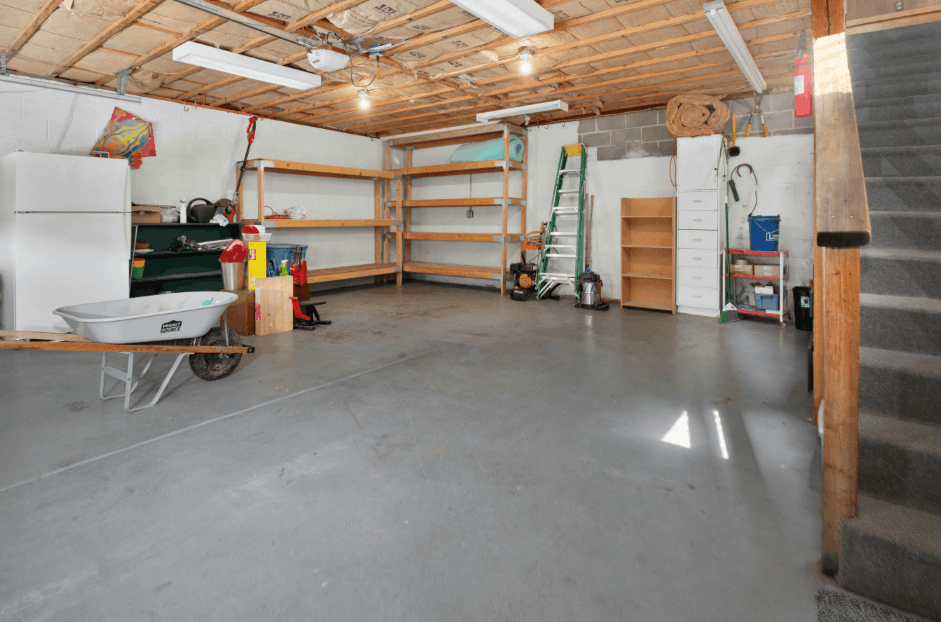
Upgrade Your Space: The Ultimate Guide to Garage Storage and Garage Racking
We have all been there. You open the garage door, fully intending to find that specific tin of paint or a stray garden trowel, only to be met by a mountain of boxes, tangled cables, and forgotten sports equipment.
For many UK homeowners, the garage quickly becomes a dumping ground for items that have no clear home inside the house.
However, your garage holds incredible potential. By implementing proper garage storage, you can transform this cluttered chaos into a highly functional extension of your home. A well-organised space improves safety, frees up valuable floor space, and boosts your daily efficiency.
In this guide, we will explore the best storage solutions for garages. We will look at exactly how to tackle the mess, review various storage options, and introduce garage racking as a key solution to heavy-duty organisation.
Why Garage Storage Matters?
Throwing items into the nearest available corner might feel easy at the time, but poor storage inevitably leads to damage, dampness, and overwhelming clutter. Investing time and effort into proper garage organisation pays off in several powerful ways.
First, an organised garage saves you immense amounts of time. When every tool and box has a designated spot, you no longer need to spend your Saturday mornings digging through piles to find a screwdriver. You know exactly where everything lives.
Second, smart storage drastically improves safety. Unsecured heavy items, stray trailing wires, and precarious stacks of boxes are accidents waiting to happen. Moving these hazards off the floor and securing them properly protects you, your family, and your vehicles.
Finally, effective storage maximises your available space. By moving items off the ground and utilising your walls and ceilings, you might even find enough room to actually park your car inside.

Types of Garage Storage Solutions
Every garage is unique, meaning you need a mix of systems to suit your specific belongings. Here is a breakdown of the most common garage storage options to help you reclaim your floor plan.
Shelving Units
Garage shelving remains a staple for home improvers. When considering shelves, you generally choose between freestanding and fixed units. Freestanding shelves offer excellent flexibility, allowing you to move them around as your needs change.
Fixed shelving, however, bolts directly to the wall, offering a more permanent and sometimes more stable footprint for lighter items.
Wall-Mounted Storage
If you want to keep items visible and accessible, wall-mounted garage storage is brilliant. Pegboards are perfect for hanging hand tools, keeping them neatly arranged and ready for your next DIY project. Heavy-duty hooks easily hold bicycles, ladders, and garden hoses.
For items that need protecting from dust or locking away, such as harsh cleaning chemicals, wall-mounted cabinets are a fantastic addition.
Overhead Storage
Do not forget to look up. The ceiling offers prime real estate for items you only need a few times a year. Overhead storage racks are perfect for keeping camping gear, seasonal decorations, and winter tyres completely out of the way. Utilising the ceiling naturally frees up lower levels for the items you use weekly.

What is Garage Racking?
While people often use the terms interchangeably, garage racking is a distinct step up from basic shelving. Racking systems are heavy-duty, industrial-style storage frameworks designed to hold significantly more weight than standard flat-pack shelves.
Basic shelving works perfectly for paint tins, small tools, and lightweight boxes. However, if you need to store heavy power tools, stacks of timber, or large tubs of soil, standard shelves will bow and eventually snap.
Garage racking offers unparalleled durability and load capacity. Built with robust frames and reinforced tiers, these systems handle immense weight safely. Furthermore, racking systems boast great scalability. You can easily adjust tier heights or bolt multiple bays together to create a continuous storage wall that spans your entire garage.
Choosing the Right Garage Racking
Selecting the right heavy-duty garage racks requires a bit of planning. You want a system that fits your space perfectly while safely holding your heaviest gear.
First, check the weight capacity. Racking units list a maximum weight limit per tier. Always calculate the rough weight of the items you plan to store and ensure the racks comfortably exceed that number. It is always better to over-specify your load capacity for peace of mind.
Next, measure your size and layout carefully. Factor in the height of your garage ceiling and the depth of the bays. Ensure that your car, doors, and any internal access points can still open fully once the racks are assembled and loaded.
Consider the accessibility of your items; you do not want racks so deep that you cannot reach the items at the back.
Material choice is vital, especially in UK homes. Garages are notoriously prone to changing temperatures and damp conditions. Metal racking, specifically galvanised steel or powder-coated steel, resists rust and handles temperature shifts beautifully.
Plastic units resist moisture entirely, but they generally offer a much lower weight capacity than metal alternatives.

Garage Organisation Tips
Buying the right equipment is only half the battle. To keep your space tidy in the long term, you need a solid strategy. Here are some proven garage organisation ideas to get you started.
Always declutter before installing storage. Empty your garage completely if possible. Sort items into piles to keep, donate, sell, or throw away. There is no sense in buying expensive racking to store broken items you will never use again.
Group your items by category. Keep all your gardening supplies on one rack, car maintenance tools on another, and DIY gear together. This logical grouping means you only ever need to search one specific area when looking for a tool.
Use labels on all your storage tubs and boxes. Even if you use clear plastic bins, a bold label saves you from pulling boxes off the shelves to check their contents.
Keep frequently used items easily accessible. Store your daily tools, dog leads, and recycling bins at waist height near the door. Push your seasonal and rarely used items to the very top shelves or the back corners of the room.
Combine garage storage and garage racking effectively. Use racking for your massive, heavy storage tubs, wall panels for your hand tools, and ceiling racks for the Christmas tree. Using a combination of systems ensures every item gets the specific home it needs.
Common Mistakes to Avoid
Even seasoned DIY enthusiasts can trip up when reorganising their space. Avoid these common pitfalls to ensure your garage remains safe and functional.
The most dangerous mistake is overloading racks. Never exceed the manufacturer’s weight limits, and always place the heaviest items on the bottom tiers to lower the centre of gravity. Top-heavy racking is a severe tipping hazard.
Poor installation causes endless headaches. If you buy fixed shelving or wall-mounted cabinets, use the correct heavy-duty wall plugs and masonry screws. Plasterboard fixings will simply pull straight out of the wall under the weight of heavy tools.
Never ignore your vertical space. Leaving the top half of your walls empty wastes incredible potential. Run your shelving as high as safely possible, and use a step stool to reach the highest tiers.
Finally, avoid buying unsuitable storage systems purely because they are cheap. Flimsy, low-quality plastic shelves might save you money today, but they will sag and break within a year. Invest in high-quality materials that will last the lifetime of your home.

Final Thoughts: Transform Your Garage
Tackling a messy garage feels like a massive job, but the reward is a highly functional, safe, and pleasant environment. By carefully planning your layout, decluttering ruthlessly, and choosing the right combination of systems, you can completely upgrade your space.
Investing in proper garage storage and garage racking gives every tool, box, and bicycle a permanent home. Take the time to implement these strategies, choose quality materials suited to the UK climate, and enjoy the satisfaction of a perfectly organised home.
FAQ
Why is proper garage storage important for UK homeowners?
Investing in garage storage prevents damage from dampness and clutter while significantly improving safety. By moving heavy items off the floor and onto dedicated systems, you reclaim valuable floor space, protect your vehicles, and save time by ensuring every tool has a designated home.
What is the difference between garage shelving and garage racking?
While often confused, garage racking is a heavy-duty, industrial-grade solution designed for high load capacities. Standard shelving is ideal for lightweight items like paint tins, whereas racking features reinforced steel frames built to support heavy power tools, timber, and large storage tubs without bowing.
How do I choose the right weight capacity for garage racks?
To ensure safety, calculate the total weight of your heaviest items and select a racking system that exceeds that limit per tier. Always place the heaviest loads on the bottom tiers to maintain a low centre of gravity and prevent tipping hazards.
How can I maximise space in a small garage?
Maximise a small footprint by utilizing vertical and overhead storage. Use wall-mounted pegboards for hand tools, heavy-duty hooks for bicycles, and ceiling-mounted racks for seasonal items like Christmas decorations or camping gear. This “floor-to-ceiling” approach keeps the ground clear for vehicle parking.
What are the best materials for garage storage in the UK?
Due to the UK’s damp climate and temperature shifts, galvanised or powder-coated steel is the best choice for garage racking as it resists rust. While plastic units are moisture-proof, they offer significantly lower weight capacities compared to robust metal alternatives.
What is the most common mistake when organising a garage?
The most frequent error is overloading shelves and racks. Always adhere to manufacturer weight limits and use the correct masonry fixings when mounting systems to walls. Additionally, avoid buying “cheap” flimsy plastic units that will likely sag and fail under the weight of DIY equipment.