Octopus Energy Social Housing Tariff: A Guide to Tenant Power & Zero Bills
The Octopus Energy social housing tariff is an institutional clean-energy framework that integrates solar panels and smart battery storage to cut UK affordable housing electricity bills by a guaranteed 30% with zero upfront cost to residents.
By deploying on-site solar generation alongside automated grid infrastructure, this system provides immediate utility relief for tenants while allowing local councils and housing associations to generate independent export revenue.
These microgeneration assets run parallel to major corporate clean-tech expansions in the North Sea, where partnerships such as those between Ming Yang Smart Energy and the UK highlight the growing cross-border capital flowing into British renewable infrastructure.
What is the Octopus Energy Social Housing Tariff?
The Octopus Energy social housing tariff is a technology-driven energy initiative consisting of two distinct frameworks, Octopus Tenant Power for retrofits and Octopus Zero Bills for new builds, designed specifically for registered social landlords, local authorities, and low-income residents across England, Scotland, and Wales.
The initiative overcomes the historic split incentive barrier, where landlords paid for property upgrades but saw no direct financial return.
Under this system, the energy provider integrates on-site renewable hardware into existing social housing units.
This setup guarantees tenants heavily discounted flat rates while enabling housing providers to recoup asset management expenses.
For newly constructed properties, the alternative Zero Bills standard ensures that eligible low-carbon homes pay absolutely nothing for domestic electricity or space heating over a multi-year duration.
How Does the Octopus Tenant Power Tariff Work?
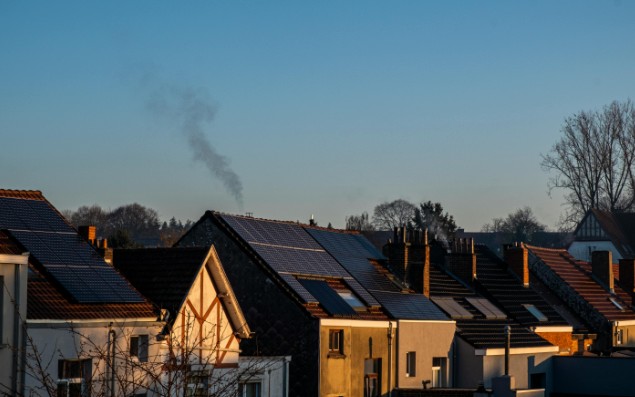
The Octopus Tenant Power tariff works by using the Kraken automation platform to intelligently manage on-site solar panels and smart batteries, storing cheap electricity during low-demand hours and deploying it during peak times to secure an automatic 30% discount for the resident.
The system functions through a step-by-step physical and digital loop that bridges the gap between domestic hardware and the national grid:
- Solar Generation: High-efficiency solar PV panels absorb daylight, converting it into immediate clean electricity to power active household appliances.
- Kraken Smart Storage: Surplus solar electricity charges a local smart battery. If grid power drops in price, the Kraken platform tops up the battery using cheap off-peak electricity.
- Tenant Consumption Discount: The resident draws from on-site battery power during peak hours, triggering a direct 30% unit rate electricity reduction compared to standard retail rates.
- Landlord Export Revenue: Clean power that cannot be used or stored domestically is automatically exported back to the UK grid, generating revenue to fund future municipal green schemes.
In practice, this structured delivery workflow ensures that clean energy generated on-site is fully utilised before a property draws power from external utility lines.
The automated battery system constantly communicates with wholesale energy markets. It absorbs cheap overnight electricity and deploys it during high-tariff periods to protect the resident from peak pricing spikes.
What is the Difference Between Tenant Power and Octopus Zero Bills?
A common area of confusion across the UK housing sector involves conflating Tenant Power with the highly publicised Octopus Zero Bills framework. While both address fuel poverty within affordable housing, they apply entirely separate technical parameters and delivery mechanisms.
Technical Performance and Infrastructure Comparison
The primary distinction lies in the absolute level of building insulation, fabric performance, and the heating technologies present on the property.
- Tenant Power Tariffs: Intended for older, retrofitted social properties where natural gas boilers may still be present. It focuses exclusively on lowering electricity costs through solar-to-battery matching.
- Zero Bills Housing: Requires the building envelope to meet strict Energy Performance Certificate (EPC) or Future Homes Standard benchmarks. It completely outlaws gas infrastructure, relying instead on high-efficiency heat pumps alongside massive solar arrays to achieve net-zero consumption.
Institutional Rollout Matrix
The following operational breakdown shows how these two frameworks serve different asset classes across the municipal housing market.
| Feature / Metric | Octopus Tenant Power Tariff | Octopus Zero Bills Standard |
| Primary Property Target | Existing social housing stock (Retrofits) | Advanced new-build affordable estates |
| Guaranteed Tenant Benefit | Fixed 30% unit rate reduction on electricity | 100% elimination of standard utility bills |
| Hardware Requirement | Solar PV panels + compatible smart battery | Solar PV + battery + low-carbon heat pump |
| Landlord Financial Return | Retains surplus grid export market revenues | Enhanced asset values & strict EPC compliance |
| Application Mechanism | Joint landlord B2B corporate onboarding | Pre-installed by approved homebuilders |
| Average Annual Saving | Estimated £200 to £400 per household | Full cost avoidance of the standard price cap |
Which Energy Companies Offer a Traditional Social Tariff in the UK?
When researching an energy social tariff, it is crucial to recognise that the UK government does not currently mandate a universal, state-subsidised social tariff across the retail utility market. Instead, individual commercial providers design their own support schemes to assist low-income, elderly, or disabled individuals.
Standard Industry Assistance Schemes
Standard UK industry assistance schemes consist of the Warm Home Discount, which provides a winter credit of £150, the Priority Services Register for vulnerable customer safety, and commercial Supplier Hardship Funds to clear utility debt.
- The Warm Home Discount Scheme: A statutory £150 credit applied directly to electricity accounts during winter months for households receiving specific low-income benefits.
- The Priority Services Register (PSR): A non-financial safety network offering non-billing support, priority fault restoration, and protection against disconnection for vulnerable residents.
- Supplier Hardship Funds: Discretionary emergency grants provided by companies such as British Gas, E.ON Next, and EDF to help cleared account balances suffering from severe utility debt.
How Do Landlords Manage Property Portfolios with Octopus Energy?
Landlords manage large volumes of municipal housing stock using a specialised Octopus Energy landlord account dashboard to coordinate billing profiles, manage vacant operational windows, and track microgeneration export data.
To simplify portfolio administration, housing providers rely on centralised digital systems and clear communication channels tailored for asset managers.

Step-by-Step Property Enrollment and Management Process
To successfully launch and supervise properties enrolled in these smart social housing frameworks, local housing officers and asset managers must execute a rigid administrative sequence:
When reviewing deployment decisions across complex housing estates, asset managers frequently require direct verbal communication channels to handle portfolio changes or resolve bulk connectivity issues. For dedicated corporate inquiries, properties can be managed directly by contacting the specialised business support lines:
Registered housing providers and municipal asset managers can contact the dedicated clean-tech configuration teams directly on 0330 808 1080.
Alternatively, secure portfolio dashboards can be accessed via the specialised Octopus Energy landlord account directories within the main commercial portal.
What are the Standard Octopus Energy Tariffs?
Standard Octopus Energy tariffs are retail consumer contracts, divided into Fixed Tariffs that lock rates for 12 months and Flexible Tariffs that track the rolling Ofgem price cap, available to UK households who cannot access specialised social housing plans.
For residents living in properties that have not yet undergone a solar retrofit, standard retail options provide alternative routes to managing monthly expenditure. Understanding the structural differences these plans carry is vital for optimising monthly household budgets.
Fixed vs. Flexible Framework Analysis
The consumer retail market is primarily split into two main categories: fixed-rate contracts and flexible variable options.
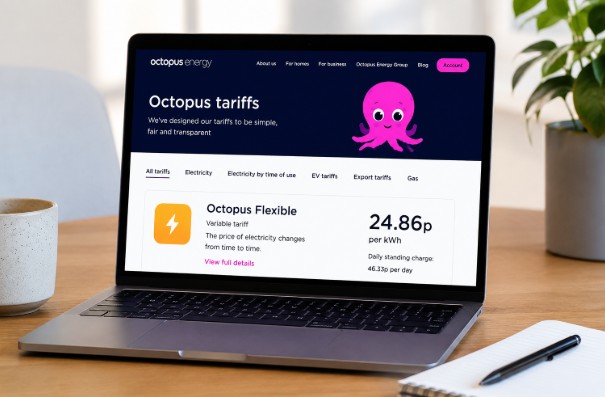
- Fixed Tariffs: These lock in a constant price per kilowatt-hour (kWh) and a fixed daily standing charge for a set period, typically 12 months. This option insulates households from market volatility, though it means missing out on falling prices if wholesale energy costs drop during the contract term.
- Flexible Tariffs: These track the maximum unit pricing allowed under the rolling regulatory price cap set by Ofgem. While these plans lack long-term rate security, they carry no exit fees, giving customers total freedom to switch suppliers or shift onto specialised smart plans whenever they choose.
Octopus Standard Public Tariffs Compared
The breakdown below highlights the primary consumer contracts available to UK households who are currently unable to access specialised social housing tariffs.
| Retail Tariff Plan | Structural Mechanism | Average Exit Fees | Core Consumer Advantage | Key Consumer Limitation |
| Octopus 12M Fixed | Rates are completely locked for 12 months | Typically £75 per fuel line | Total protection against winter price hikes | High penalties if market prices drop |
| Octopus Flexible | Prices fluctuate based on Ofgem cap updates | Zero exit penalties | Complete freedom to switch suppliers | High exposure to sudden market volatility |
| Smart Tariffs (Flux/Agile) | Half-hourly variable pricing updates | Zero exit penalties | Extremely cheap off-peak charging rates | Requires intensive automated usage management |
Factoring potential exit fees into household budget calculations is vital before switching plans. Securing a fixed-rate agreement offers valuable peace of mind for low-income families, provided the locked-in rate sits below the projected Ofgem price cap averages for the upcoming winter months.
How Much is an Octopus Tariff per kW?
The precise price per kilowatt-hour (kW) of electricity changes depending on regional network charges, seasonal wholesale shifts, and the specific tariff tier assigned to a household.
For consumers utilising smart, time-of-use tariffs, household bills are determined by when energy is consumed rather than just the total amount used.
Smart Peak and Off-Peak Management
A common pattern among smart tariff users is restructuring their daily routine to take advantage of low-demand periods on the grid. By running heavy appliances during designated low-cost windows, households can drastically reduce their monthly expenses:
- Optimal Appliance Windows: Running washing machines, tumble dryers, and dishwashers during off-peak overnight hours (typically between 12:00 AM and 5:00 AM) can save substantial amounts compared to peak afternoon periods.
- Grid Demand Matching: Conversely, the most expensive time to use high-draw appliances is during the evening demand peak between 4:00 PM and 7:00 PM, when the national grid infrastructure experiences its heaviest strain.
Summary
The expansion of localised clean energy systems across the UK’s social housing sector marks a major shift in how affordable housing estates operate.
By resolving the classic split-incentive dilemma, the Octopus Energy social housing tariff delivers a practical blueprint that lowers tenant utility bills while providing landlords with a sustainable model to fund ongoing property upgrades.
Moving forward, the wider adoption of these smart tech integrations will play an essential role in future-proofing housing portfolios against market volatility, meeting evolving environmental standards, and delivering meaningful financial relief to low-income communities nationwide.
FAQ about Octopus Energy social housing tariff
What is the main difference between Tenant Power and standard social tariffs?
The Tenant Power system uses a technology-driven model, requiring physical installation of solar panels and batteries to deliver a permanent 30% unit rate discount. Traditional social tariffs rely on flat monetary rebates without modifying property infrastructure.
Can individual social tenants independently apply for the Tenant Power tariff online?
No. Individual tenants cannot self-enrol through a standard online utility switch. The tariff requires an institutional partnership and must be set up via a joint corporate contract between Octopus Energy and the housing association.
Does the Octopus 12-month fixed tariff have an exit fee if I need to cancel?
Yes. Standard public 12-month fixed contracts generally carry early cancellation exit fees, which typically average around £75 per fuel line. Crucially, however, these penalties never apply to residents enrolled on the specialised, landlord-managed Tenant Power social housing tariff.
What happens to the energy tariff when a social housing property becomes vacant?
The housing provider transitions the property into a temporary vacant billing state via their landlord account dashboard. This maintains the smart meter links and automates standing charges until a new resident signs their tenancy agreement.
Are private tenants eligible to join the Octopus social housing tariff network?
No. The Tenant Power tariff framework is strictly reserved for local authorities, housing associations, registered social landlords, and approved affordable housing developers. It cannot be accessed by standard private tenancies or buy-to-let properties.
How much can an average family save annually on the Tenant Power scheme?
An average social housing household utilising the combination of solar generation and smart battery storage cuts its annual electricity costs by roughly 30%, which translates to a direct saving of £200 to £400 per year.
Do I have to remain on the Tenant Power tariff if my landlord installs the tech?
No. Participation in the tariff remains entirely voluntary for the resident. If a tenant prefers to select an alternative retail supplier or tariff structure, they retain the full legal right to opt out at any stage.