
How Alternative Payment Tools Are Helping Small Businesses Serve More Cautious Online Customers
How frequently do you shop at small businesses online?
You probably do it once in a while or frequently, but regardless of your frequency, you must have become more cautious with your money over the past few years. You take time to compare prices, pause before entering your card details, and usually abandon certain purchases if something feels slightly off or confusing.
That uncertainty can sting badly for any online business, but mostly the small ones, because they don’t enjoy a huge brand recognition like the rest. Luckily, the flexibility to pick from different payment providers is helping them do away with some of the challenges that may scare away cautious customers.
This article explores these alternative payment tools and why they matter.
How Flexible Checkout Options Reduce Drop Off in Small Business Sales?
When a shopper shops from a massive global marketplace, they usually buy things without second-guessing the security of their payment details. But when they do it from a boutique digital store, that comforting safety net, especially during checkout, isn’t guaranteed, which makes them more cautious.
If you’re a small business, it means you must integrate alternative payment tools and give the customer the freedom to pick the one they’re more comfortable with, such as choice reduces that anxiety.
Data from the British Chambers of Commerce shows that platforms with diverse payment methods tend to see a measurable drop in abandoned shopping carts.
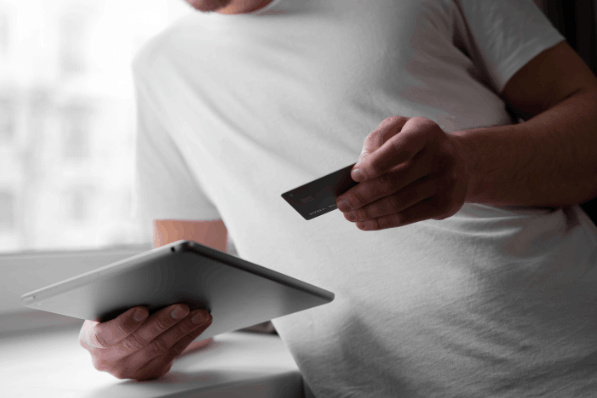
Why Trust Signals in Payment Interfaces Improve Customer Conversion Rates?
Trust is everything in online purchases, and large retailers already benefit from established reputations and familiar branding. Meanwhile, small businesses have the task of building consumer confidence from the ground up. That’s where payment interface designs come in handy.
When a small business uses recognised, fully responsive third-party payment gateways, it inherits the credibility of that provider. A customer recognises the interface, professional fonts, and smooth transitions, and that the entire process handles data safely. It’s psychological, really.
When we enter our payment details online, we usually look for assurances that we won’t regret entering our information online. If something about the payment experience appears outdated, is cluttered, or even slightly sus, confidence leaves the room. And that’s how many shoppers leave without completing their purchase.
How Buy Now Pay Later Options Are Expanding Purchase Confidence?
The option to pay in instalments has changed how people shop online, especially in businesses that sell higher-ticket items like handmade furniture or high-end clothing. To a huge extent, cautious customers don’t like seeing a large upfront price tag because they’re worried about whether the product will match the hype.
The good thing with Buy Now Pay Later is that it splits that financial risk into smaller bits that feel safer to customers who hesitate over a one-time full-price payment; we’ve all been here.
Here’s an analysis of payment solutions, their level of risk, and their usual audience.
| Payment Solution | Level of Risk to Buyer | Usual Audience |
| Traditional Card | High upfront cost | Veterans who’re tech-savvy |
| Digital Wallet | Low data exposure | Shoppers who prefer using mobile |
| Buy Now Pay Later | Split financial weight | Buyers who are conscious of the budget |
Why Local Merchants Benefit From Offering Multiple Secure Payment Methods?
Every consumer has their way of paying online, and forcing them to adapt to a specific preference is like forcing meat down a cow’s throat. Because of that, local businesses that offer multiple secure payment options tap into the convenience side. That becomes part of good customer service.
Other consumers constantly move between devices when shopping and prefer traditional bank transfers.
So, if you’re a local merchant who understands your community’s expectations and needs, you won’t lack payment systems that support their shifting shopping habits. Otherwise, you risk tanking your sales.
Alina Anisimova, Banking Expert at Mr Gamble: “Unfortunately, many times we have seen well-known operators of businesses fall behind the competition because they are slow to adopt an alternative payment method. There are many factors to be on top of as a business owner, but payment options should always be a priority.”
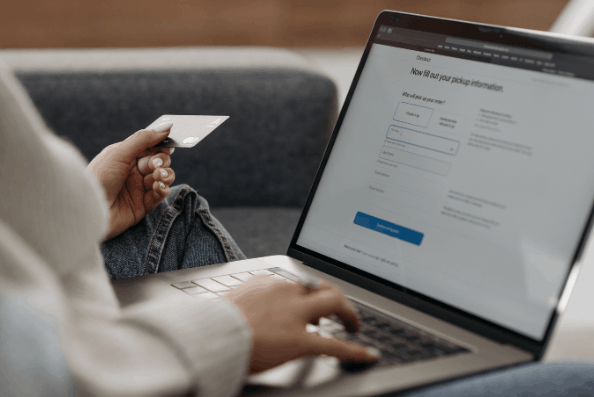
How Simplified Payment Journeys Support First-Time Online Buyers?
First-time buyers are usually the most cautious, fair enough. So, the payment journey is influential to them because the chance of getting overwhelmed by complex digital processes or jargon is very high.
In light of that, online businesses must use simplified payment tools that take the guesswork out of the way. That turns a complicated maze of rules and steps into a straightforward, predictable path. Sometimes, simplicity outdoes aggressive marketing.
What Can Businesses Do to Build Trust?
Being a trustworthy brand means that you have to be proactive about showing your customers that you’re legitimate from the moment they open your homepage. That’s how businesses that focus on clarity, transparency, and familiar payment tools tend to perform better online.
There are many practical strategies to help:
- Clearly displayed security certifications
- Recognised payment providers
- Keep checkout pages uncluttered
- Minimise unnecessary transaction forms
- Ensure the refund information is transparent
Consistency matters, too, because trust grows over time through consistent, small, noticeable improvements. This is seen within niche areas, for example, within gaming many players are flocking to sites with PayPal or choosing flexible banking at Neosurf casinos, as these are known and trusted.

Concluding Verdict
The digital marketplace is crowded and highly competitive, but small businesses have a unique advantage because they can diversify quickly to meet the changing needs of their audience.
Having alternative payment tools helps to build trust because it addresses customer hesitation, one of the biggest challenges facing online commerce. Building trust will certainly make a difference between abandoned baskets and completed ones.