Inherited a House Full of Books and How to Handle the Collection
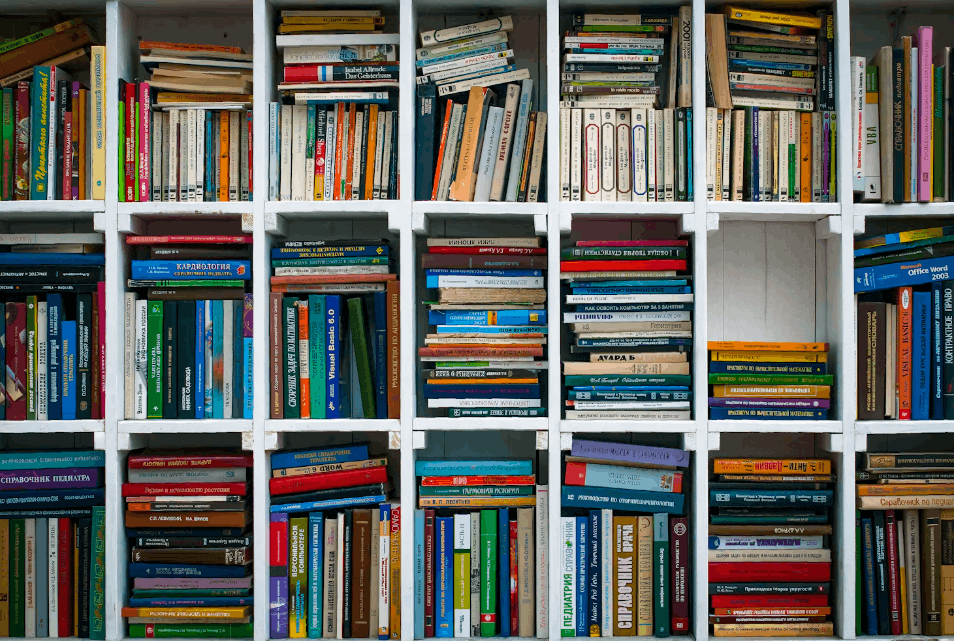
A house clearance often reveals more books than anyone expected. Shelves that seemed manageable from the doorway can hold hundreds of titles once every room is checked, and most people have no real plan for what happens to them once the boxes start piling up.
Some books will have resale value, and many will not. A few might be older, rarer, or more collectable than they first appear, and it can be hard to tell the difference without a plan for sorting through everything methodically.
Fortunately, this guide sets out the practical steps for handling an inherited book collection, from working out what is there through to selling, donating, or recycling the parts that remain.
Sorting the Collection Before Selling Anything
Start by grouping the books into broad categories. General fiction, non-fiction and specialist subjects should each have their own pile. If anything looks particularly old, unusual or valuable, keep it separate so you can take a closer look later.
Next, be honest about the condition of the books. Water damage, loose pages, broken spines and heavy wear all affect value. It can be disappointing, but assessing this early helps set realistic expectations before you spend time pricing everything up.
Once you’ve sorted the books, check for an ISBN or barcode. Books with an ISBN can usually be valued in seconds using an online scanning service. Older books without one need to be assessed by their edition, publisher, publication date and condition, rather than scanned for an instant price.
And don’t feel like you have to do everything in one day. If the collection has sentimental value, taking your time often leads to better decisions. It’s much easier to spot something worth keeping when you’re not rushing to empty the house.
Getting an Instant Valuation for Books With a Barcode
Any book with an ISBN can typically be scanned through a buyback app or website for an instant ISBN valuation. There is no need to list each item individually or wait for a buyer, since the price is generated automatically once the barcode is checked.
One option is WeBuyBooks, who have paid out more than £38 million to UK sellers, processed over 28 million books, and its app holds a 4.6-star rating. Scanning a selection of books from different genres gives you a good idea of what the rest of the collection could be worth before deciding what to do next.
Popular fiction that’s widely available second-hand can sometimes receive lower offers because there are already plenty of copies on the market. Whereas specialist books, including academic texts, craft guides and cookbooks, can sometimes perform much better, so they’re often worth checking first.
If you want the best return for your books, it pays to compare. Scanning the same group of books through more than one buyback service can quickly show which platform offers the strongest prices for your collection.
Selling an Inherited Book Collection in Bulk
Handling hundreds of books individually is not realistic for most people, particularly during a house clearance with a deadline attached. Bulk buyback services solve this by arranging collections for large quantities rather than requiring each book to be listed on its own.
Smaller collections suit the standard scan-and-send method instead. Each accepted book is added to a basket within the app, checked for eligibility, and posted together for a combined payment once quality checks are complete.
For anyone working to a house clearance deadline, arranging a courier collection date in advance avoids boxes piling up in a hallway or garage, while the rest of the property is being sorted. Being able to get a bulk collection booked early can help keep the wider clearance on schedule.
B2B and Micro-Business Strategy: Liquidating Book Stock at Scale
For estate clearance firms, antique dealers, and micro-resellers, inherited libraries represent low-margin, high-volume inventory that ties up storage and capital.
- Tri-Tier Sorting Protocol: Partition bulk clearance into three commercial tiers—high-yield individual listings (AbeBooks/eBay for signed or first editions), automated volume liquidation (bulk scan buyback APIs to recover handling overheads), and tax-deductible community donations.
- Margin Optimization: Group inventory by specialist non-fiction (e.g., technical, medical, regional history), which consistently yields higher commercial margins on secondary marketplaces compared to mass-market fiction.
- HMRC Compliance: Keep commercial reselling distinct from private clearances; inventory bought specifically to flip counts toward trading profit subject to standard UK corporation or sole trader tax thresholds.
Checking Whether Any Books Are First Editions or Rare Titles
Every now and then, an inherited collection includes something a little more special. First editions, signed copies or books that have long been out of print deserve a closer look rather than a quick barcode scan.
The copyright page usually tells you most of what you need to know. Check the publisher, edition statement and print run details. A genuine first edition may say “First Edition” or “First published” alongside the year, while some books use a number line to indicate the printing.
Signed copies and books with their original dust jackets in good condition can also be worth more. If you are looking for an expert opinion, clear photographs of the cover, copyright page and any signatures or inscriptions will help.
Deciding What Happens to Books That Do Not Sell
Not every book will be accepted by a buyback service, and not every title will be worth selling. This is perfectly normal, as demand, condition and subject all influence whether a book has resale value.
Fortunately, books that are still in good condition can often be donated to charity shops, libraries or community book exchanges. And, if a book is too damaged to be reused, recycling is usually the most responsible option and helps keep unnecessary waste out of landfill.
Just make sure to check local council guidance or the latest UK bin and recycling rules first, as heavy glues and hardback covers can sometimes affect which paper stream they belong in.
How Clearing Old Books Can Spark a Viable Side Business
For many people, sorting through an inherited library isn’t just about clearing space, it often serves as an accidental masterclass in inventory management, pricing research, and circular commerce.
What starts as clearing out personal shelves can easily turn into a scalable micro-venture. In the UK, second-hand book arbitrage, vintage media reselling, and estate item liquidation are among the most accessible entry points into small-scale retail:
- Zero Upfront Inventory Cost: You are starting with existing stock, which removes the financial barrier to entry common in traditional retail startups.
- Testing Market Demand: Using barcode buyback tools alongside platforms like eBay, AbeBooks, or Amazon Marketplace teaches you how to gauge price elasticity, shipping margins, and consumer demand.
- Understanding UK Trading Rules: Once you move beyond clearing personal possessions and begin buying to resell for profit, you enter sole trader territory. If your gross trading income exceeds the UK’s £1,000 Trading Allowance, you’ll need to register for Self Assessment with HMRC.
Whether you simply want to cash out a single collection or use the experience as a launchpad for exploring viable low-cost UK small business ideas, treating clearance items with a commercial mindset ensures you maximise every pound of hidden value.
Turning an Inherited Book Collection into Cash
Sorting an inherited collection becomes far more manageable once books are grouped by type, checked for barcodes, and assessed for condition. Scanning ISBN titles gives a quick sense of value; larger collections can be handled through bulk pickup, and anything rare or unusual is better suited to a specialist review.
Working through the collection in stages, rather than dealing with everything at once, makes the process considerably less overwhelming and helps each book find an appropriate outcome, whether that is a sale, a donation, or recycling.
Comparing options along the way, rather than settling for whichever route seems easiest at the time, tends to make the biggest difference to what an inherited collection is ultimately worth.
FAQs
How can I tell if my inherited books are worth anything?
Check for an ISBN or barcode first, these can be scanned for an instant valuation online. For older books without one, value depends on the edition, publisher, publication date and condition.
What should I do with books that don’t sell?
Books in good condition can be donated to charity shops, libraries or community book exchanges. Any too damaged to reuse are best recycled rather than sent to landfill.
How do I know if a book is a first edition?
Check the copyright page for the publisher, edition statement and print run details. It may say “First Edition” or “First published” alongside the year, or use a number line to show the printing.
What’s the best way to handle a large inherited collection?
Sort books into categories, check each for an ISBN, and use a bulk buyback service for large quantities rather than listing books individually. This keeps the process manageable, especially during a house clearance.