
Ming Yang Smart Energy and the UK: Strategic Lessons for Modern Supply Chains
Ming Yang Smart Energy is a major Chinese wind turbine manufacturer currently facing intense UK regulatory scrutiny. The company’s rapid rise and its role in critical infrastructure projects have triggered government national security interventions, forcing British stakeholders to reassess supply chain resilience, cybersecurity risks, and international procurement standards in 2026.
Who is Ming Yang Smart Energy?
Ming Yang Smart Energy is a major Chinese high-technology enterprise specializing in the research, development, and manufacturing of offshore wind power equipment.
Headquartered in Zhongshan, China, it is one of the world’s leading suppliers by newly installed capacity, known for its rapid engineering cycles and pioneering work in massive-capacity turbine technology.
Ming Yang operates as a private, exchange-listed enterprise. It has gained global prominence by focusing on:
- Large-scale offshore turbines: Specializing in units exceeding 18MW to 20MW.
- Deep-water solutions: Developing floating wind technology designed for high-wind environments.
- Engineering innovation: Utilizing advanced nacelle and blade configurations to optimize electricity generation.
Ming Yang’s Role in the Global Market
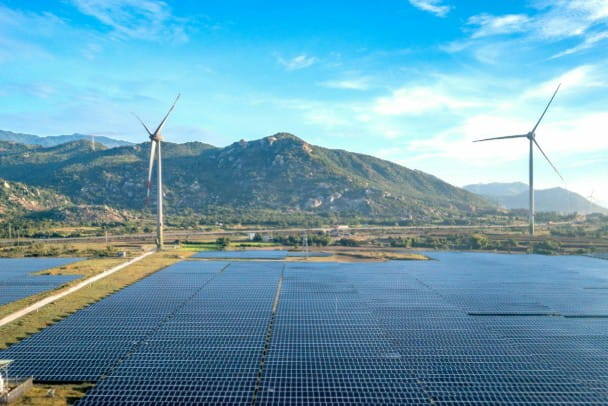
Ming Yang Smart Energy disrupts international markets by outpacing Western competitors through rapid turbine scaling and aggressive pricing.
The firm serves as a primary supplier for challenging deep-water projects, while its typhoon-resistant designs and floating platform innovations set new industry technical benchmarks.
However, its global role remains complex. While the company accelerates the green energy transition, it faces intense scrutiny as nations prioritize cybersecurity, balancing the need for advanced offshore technology against the risks of integrating proprietary foreign systems into critical national infrastructure.
The Evolution of Offshore Turbine Capacity
Offshore wind capacity is evolving through the deployment of massive 18MW–20MW+ turbines and floating platforms, moving beyond traditional 10MW–15MW fixed-bottom designs. This shift toward larger machines and floating technology allows developers to access deeper waters with higher, more consistent wind speeds.
| Feature | Industry Standard (General) | Ming Yang Smart Energy Focus |
| Primary Turbine Range | 10MW – 15MW | 18MW – 20MW+ |
| Market Segment | Shallow/Fixed-Bottom | Deep-water / Floating Wind |
| Key Tech Focus | Grid Integration | Typhoon Resistance & Load Optimization |
Why did the UK government intervene in the Scottish manufacturing project?
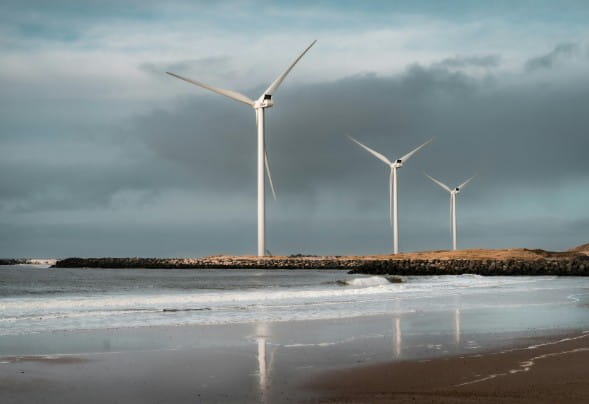
The UK government intervened in the Ardersier Port project in March 2026, officially blocking Ming Yang’s manufacturing plans due to rigorous national security assessments.
Officials determined that the integration of Chinese-manufactured technology, electronics, and sensors into the UK’s critical energy infrastructure posed unacceptable risks regarding data security and grid stability.
This intervention reflects a broader, clear-eyed approach to national security, where the UK government is prioritizing the vetting of supply chains to prevent new and unwise dependencies on foreign technology in its critical national infrastructure (CNI).
Security Assessment and Grid Resilience
Cybersecurity in wind energy involves protecting critical software and hardware used for grid frequency management from unauthorized remote access or data exploitation.
Because modern turbines are highly digitalized, the UK government now mandates stringent vetting processes for all entities within the power generation and distribution supply chain.
Under the National Security and Investment Act (NSIA), the government maintains the legal authority to block investments that pose a risk to the integrity of the UK’s energy systems. The assessment of the Ming Yang project focused on:
- Data Vulnerability: Evaluating whether embedded sensors could be used for intelligence gathering.
- Grid Control: Ensuring that no third party could remotely interfere with or shut down turbine operations or grid frequency.
Strategic Considerations for Project Stakeholders
Project stakeholders must now prioritize security-first procurement, which includes enhanced vetting of foreign ownership, supply chain diversification, and strict compliance with the National Security and Investment Act.
To mitigate risks, stakeholders should focus on:
- Vetting Protocols: Enhanced scrutiny of foreign ownership structures.
- Infrastructure Sovereignty: Ensuring control over grid management systems.
- Supply Chain Diversity: Reducing reliance on single-source international manufacturing.
- Cyber-Physical Security: Evaluating the risk of remote access within turbine operating systems.
- Regulatory Alignment: Compliance with the National Security and Investment Act.
- Economic Trade-offs: Balancing industrial growth targets against national risk profiles.
Lessons for UK businesses managing international supply chains
For UK-based SMEs and developers, the situation underscores the necessity of deep due diligence. Whether you are navigating international supply chains or seeking pensioner energy saving advice to manage overheads, relying on global partners requires a firm grasp of the geopolitical landscape and the potential for regulatory shifts that impact capital expenditure.
Supply chain diversification represents the most effective strategy for mitigating geopolitical risk.

Adapting to Global Procurement Risks
When businesses engage in international procurement, they must look beyond the initial cost-benefit analysis. Much like what an entrepreneur must do after creating a business plan, companies must prioritize de-risking, verifying the beneficial ownership of suppliers, and assessing the potential for future regulatory divergence between the UK and foreign markets.
- Diversification: Maintain relationships with multiple tier-one and tier-two suppliers to prevent project stalls.
- Compliance Audits: Regularly review the data security standards of all technology providers.
- Contractual Safeguards: Include clear exit clauses linked to changes in foreign ownership or government sanctions.
Technological dominance and the future of wind power
While the UK market remains cautious, Ming Yang’s engineering focus on typhoon-resistant designs and floating offshore platforms continues to influence global industry standards and data-driven maintenance practices.
The industry is moving toward three critical areas of innovation:
- Floating Platforms: Enabling wind farm development in deeper waters where traditional fixed foundations are not feasible.
- Hydrogen Integration: Linking turbine arrays directly to electrolysers for green hydrogen production.
- Digital Monitoring: Using advanced sensor arrays to predict maintenance needs and extend the operational life of turbine assets.
The Strategic Outlook for UK Energy
The trajectory of international renewable manufacturers in the UK is increasingly defined by the balance between technological ambition and national security.
For business stakeholders, the takeaway is clear: Ming Yang Smart Energy means a high-stakes challenge for UK infrastructure developers in 2026, requiring a balance between accessing advanced wind technology and maintaining rigorous national security compliance.
FAQ about Ming Yang Smart Energy
Is Ming Yang Smart Energy a state-owned enterprise?
The company is a private enterprise listed on the stock exchange. While it operates within China’s regulatory environment, it maintains a private ownership structure distinct from state-owned utility providers.
What happened to the Ardersier Port manufacturing project?
The project, which was intended to create a manufacturing hub for wind turbines in Scotland, was halted following a government national security review that deemed the involvement of certain suppliers unacceptable for critical infrastructure.
How do Ming Yang turbines differ from Western manufacturers?
The primary differentiation lies in the rapid development cycle and the focus on massive capacity turbines, particularly for deep-water and floating wind applications, often achieving high output at competitive manufacturing costs.
Does the UK allow Chinese wind turbine technology?
The UK operates on a case-by-case basis. While foreign technology is not banned globally, projects involving critical infrastructure and grid-sensitive software are subject to intense national security and cybersecurity vetting under national legislation.
Is floating wind turbine technology commercially viable?
Yes, floating wind is becoming commercially viable. Ming Yang has been a pioneer in testing and deploying these systems, which allow wind farms to be located further offshore where wind speeds are higher and more consistent.
Are there alternatives for the UK offshore supply chain?
Yes, the UK is actively diversifying its supply chain by partnering with domestic manufacturers and firms from allied nations, focusing on building long-term, secure manufacturing capacity within the British Isles.
What are the cybersecurity risks in wind turbines?
Modern turbines are highly digitalized. Risks include unauthorized remote access to control systems, data breaches in diagnostic monitoring platforms, and potential interference with grid frequency management during peak operational loads.