

UK Bank Cash Withdrawal Changes 2026: New FCA Rules, ATM Limits, And Banking Hub Updates
The landscape of physical currency in Britain is undergoing a significant transition. Recent UK bank cash withdrawal changes have introduced a stricter regulatory framework overseen by the Financial Conduct Authority (FCA) to ensure that while digital banking grows, the right to access physical money remains protected for all.
Under the 2026 framework, banks are now required to complete a formal cash access assessment before any local branch is permitted to close, ensuring communities aren’t left in a financial vacuum.
While most daily ATM caps remain at approximately £500, customers should expect a more structured approach for larger sums; withdrawals exceeding £2,000 now typically require 48 hours’ notice and a brief discussion regarding the transaction’s purpose.
These measures balance the legal right to cash with intensified fraud prevention protocols. Beyond personal security triggers, account availability can also be affected by external regulatory actions.
For instance, the restart of the Direct Recovery of Debts programme means that HMRC bank account deductions can legally restrict access to funds if there are outstanding tax liabilities, effectively reducing your balance before you visit a branch.
The New Standard for Cash Access
The core objective of the 2026 framework is to prevent banking deserts. Under the Financial Services and Markets Act, the FCA now has the power to fine banks that do not provide reasonable deposit and withdrawal facilities.
This is not just about keeping old branches open; it is about the mandatory rollout of Banking Hubs, shared spaces where staff from various banks rotate to serve customers in areas where traditional branches have vanished.
What are the current UK bank cash withdrawal changes for 2026?
In 2026, the primary change involves a tiered approach to withdrawing funds. Most high-street banks have aligned their security triggers to follow a soft limit and hard limit structure.
While you can still access your money, the process now involves more interaction with bank staff or digital prompts to verify that you are not being coerced by fraudsters.
Navigating the 2026 Withdrawal Tiers
The process for accessing your money is now defined by the specific value of the transaction and the security protocols triggered at each stage.
| Withdrawal Amount | Typical Process | Notice Required |
| Up to £500 | Standard ATM transaction | None |
| £501 – £1,999 | In-branch or Post Office with ID | Usually None |
| £2,000 – £4,999 | Enhanced security interview | 24 Hours Recommended |
| £5,000+ | Senior Manager approval | 48 Hours Mandatory |
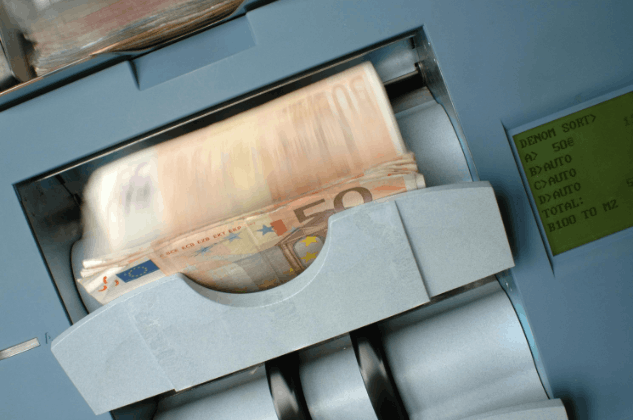
Why is my bank asking for the purpose of my withdrawal?
If you visit a branch to withdraw a significant sum, you will likely be asked what the money is for. This is not due to bank nosiness, but rather a response to the surge in Courier Fraud and Romance Scams.
Banks are now legally required to demonstrate a duty of care under the 2026 Consumer Duty standards.
The Security Interview Process
When a customer, particularly those in vulnerable age brackets, requests a large volume of cash, the bank teller is trained to look for red flags. A common pattern is a customer appearing distressed or being on a live phone call while at the counter.
- Identification: Presenting a valid passport or driving licence.
- The Questionnaire: Answering brief questions about the intended use of the cash.
- Fraud Check: Confirming you haven’t been instructed by a police officer or bank official to move money.
- Verification: Cross-referencing the request against your usual spending habits.
- Documentation: Providing an invoice or contract if the cash is for a specific trade service.
- Cooling-off Period: In some cases, a short delay is implemented to allow the customer to reconsider.
How do the 2026 FCA rules protect your access to cash?
The FCA’s Access to Cash mandate ensures that local communities are not left stranded. If a bank intends to close a branch, it must now notify the LINK network, which performs an independent assessment of the area’s needs.
If the community is deemed to have significant reliance on cash, the bank cannot withdraw its services until a suitable alternative, such as a Banking Hub or an enhanced Post Office service, is operational.
Essential Services at the Post Office
For many, the Post Office has become the de facto bank branch. Under the Banking Framework 4 agreement, customers of almost all major UK banks can perform basic tasks at over 11,500 locations.
- Cash Withdrawals: Free of charge using a chip-and-pin card.
- Balance Enquiries: Real-time checking of available funds.
- Business Deposits: Securing daily takings without travelling to a major city.
Managing these trips is particularly vital for those on a tight budget. For those relying on benefit payments, being aware of what time does Universal Credit get paid into bank accounts allows for better timing of withdrawals, helping you avoid a wasted journey to a Post Office or Banking Hub before your funds have cleared.
What are the risks of withdrawing large amounts of cash?
While it is your money, carrying large sums carries inherent risks that banks are now more vocal about. Beyond the obvious risk of theft, cash lacks the Section 75 protections afforded to credit card purchases.
One retired teacher in Surrey recently shared how they were nearly persuaded to withdraw £4,000 for urgent roof repairs by a rogue trader; the bank’s intervention at the counter saved their life savings.
| Risk Factor | Impact on Consumer | Protection Available |
| Physical Theft | Total loss of funds | None (unless home insurance covers it) |
| Merchant Fraud | No chargeback rights | Extremely limited |
| Account Flagging | Temporary freeze for investigation | Resolution via fraud department |
What should small business owners know about UK bank cash withdrawal changes?
Small businesses that rely on cash floats are facing a unique set of challenges. Many branches have reduced their bulk cash facilities, moving these services to automated machines or specific business-only hubs.
Best Practices for Business Cash Management
When reviewing decisions made by commercial banking partners, it is clear that digital integration is being pushed heavily. However, for those in the hospitality or trade sectors, physical cash remains a necessity.
For small business owners, coordinating these cash needs is often part of a broader seasonal plan.
Ensuring you have sufficient physical float for a busy weekend often goes hand-in-hand with managing your team’s rota, particularly when confirming whether does 28 days holiday include bank holidays in your specific employment contracts to predict upcoming staffing costs.
- Pre-order your change: Use your business banking app to request specific denominations 24 hours in advance.
- Check your Hub schedule: Banking Hubs often have community bankers from specific banks on certain days of the week.
- Utilise smart safes: Some banks now offer digital safes for businesses that credit your account as soon as the cash is dropped in the safe on your premises.

FAQ about UK bank cash withdrawal changes
Is there a legal limit on how much cash I can withdraw?
There is no statutory limit on how much of your own money you can withdraw. However, individual banks set internal thresholds (typically £2,000 to £5,000) where enhanced ID checks and prior notice become mandatory for security.
Will I be charged for withdrawing cash at the Post Office?
No, under current agreements, personal customers can withdraw cash for free at Post Office counters using their debit card. Some business accounts may incur a small transaction fee depending on their specific banking tariff.
What is a Banking Hub and how do I find one?
A Banking Hub is a shared space where different banks operate on a rotating basis. You can find your nearest location via the LINK website or app, which maps all free-to-use cash points and hubs.
Can the bank refuse my withdrawal request?
Yes, if the bank has a reasonable suspicion of fraud or financial abuse. They are empowered to pause a transaction to protect the account holder, though they must provide a clear path to resolve the issue.
Do these changes affect my ATM daily limit?
Most ATM limits remain at roughly £500 per day. The 2026 changes focus more on in-person transactions and ensuring that those who cannot use ATMs have a physical counter available within a reasonable distance.
Why do I need to give 48 hours’ notice for large sums?
Branches no longer hold vast amounts of liquid cash for security reasons. Giving notice ensures the branch has the physical banknotes available and allows for the necessary anti-money laundering (AML) checks to be completed.
Are pensioners being targeted by these new rules?
The rules apply to everyone, but there is a specific focus on protecting older customers who are statistically more likely to be targeted by courier fraud. These safeguarding conversations are designed as a safety net.
Summary of Next Steps
Ultimately, these 2026 updates are designed to future-proof the physical currency network while adding a much-needed buffer against the rising tide of financial exploitation. To ensure your banking remains seamless in 2026, consider the following actions:
- Verify your limits: Check your banking app to see your current daily ATM and transfer thresholds.
- Update your ID: Ensure your passport or driving licence is in date, as you will need it for any substantial in-branch requests.
- Locate your Hub: Identify your nearest Banking Hub or Post Office as a backup for when your local branch is unavailable.